How to Choose a Commercial Welding Company
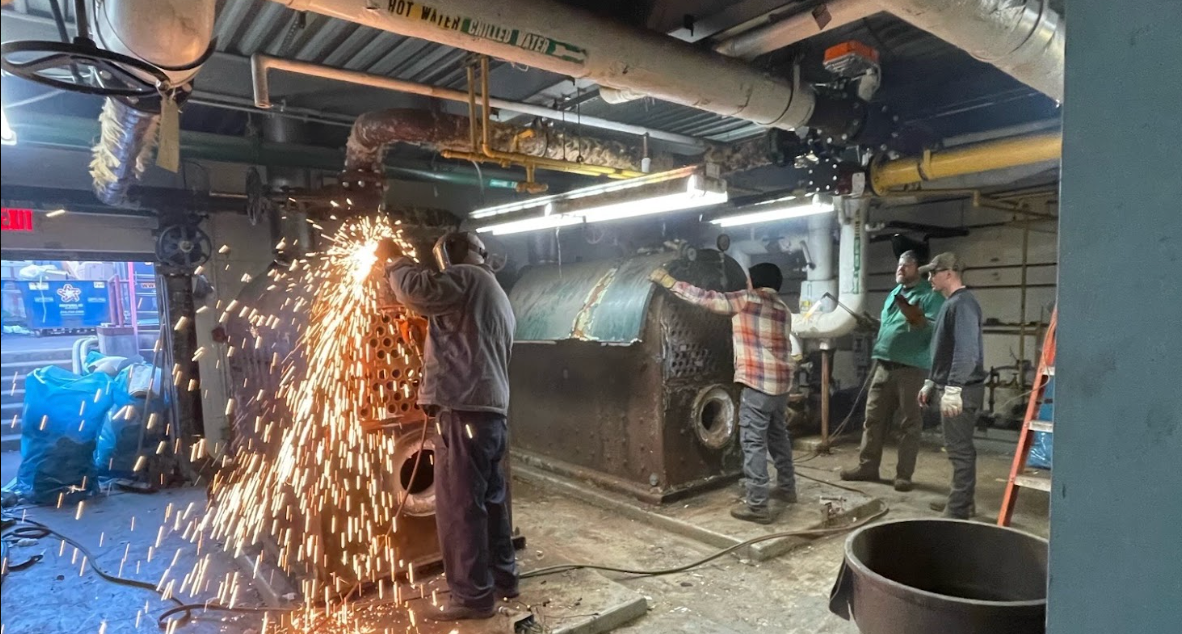
Commercial property isn't something you want to hand off to just anyone. Whether it's structural repairs, piping for a mechanical system, or fabrication tied to a larger project, the quality of the weld affects the safety and longevity of everything connected to it.
Choosing the right company for this kind of work comes down to a few key factors that are worth checking before you sign off on any project.
What Certifications Should a Commercial Welder Have?
Certification is the baseline, not a bonus. A welder working on commercial property should hold current certifications relevant to the type of work being performed, whether that's structural steel, pipe welding, or another specialized process.
Why Certification Alone Isn't Enough
Certifications confirm a welder can pass a standardized test, but they don't guarantee experience with your specific type of project. Ask about the company's history with jobs similar to yours, particularly if your project involves mechanical systems, critical infrastructure, or code-sensitive applications.
A company that can point to relevant project history, not just a certificate on the wall, gives you more confidence that the work will hold up under real conditions.
How Important Is Experience With Commercial Properties?
Residential and commercial welding aren't the same job. Commercial properties often involve larger structures, tighter code requirements, and equipment that's actively running as work happens nearby.
Working Around Live Systems
If your project involves welding near existing mechanical, electrical, or plumbing systems, the company needs experience working safely in that environment without disrupting operations. This matters even more for facilities that can't afford downtime, like data centers or buildings with critical environments.
A contractor with commercial experience will also understand permitting and inspection requirements specific to your municipality, which can save weeks of delay if the paperwork is handled correctly the first time.
What Should You Ask About Documentation and Quality Control?
Good commercial welding work should come with proof, not just a verbal assurance that everything went well. Ask potential contractors what kind of documentation they provide after a job, including inspection records, material certifications, and photos of completed work.
Why Documentation Protects You Later
If an issue ever comes up down the road, whether it's a warranty question or a code compliance check, having detailed records of the original work makes resolving it far simpler. Companies that treat documentation as a standard part of the process, rather than an afterthought, tend to take the underlying work just as seriously.
A company that turns around documentation quickly is usually organized enough to do the same with the actual welding work.
How Should Pricing Factor Into Your Decision?
The lowest bid isn't always the best value, especially when welding quality directly affects the safety of your building or equipment. A significantly lower price can sometimes mean shortcuts on materials, certification, or the time spent on proper technique.
Factors to Consider
Ask for a detailed breakdown of what's included in a quote, and compare those specifics across companies rather than just the bottom-line number. A contractor who explains their pricing clearly is usually one who stands behind their work with equal clarity.
Consider availability too. A commercial welding company that offers responsive scheduling, and ideally emergency service, gives you more flexibility when a repair can't wait for a standard appointment window.
Ask how quickly a company can respond if something urgent comes up outside normal business hours. A structural or mechanical issue that involves welding rarely happens at a convenient time, and knowing you have a reliable contact for those situations before you need one saves considerable stress later.
What Safety Practices Should the Company Have in Place?
Welding carries real safety risk, both for the crew doing the work and for anyone in the surrounding area. A company that takes safety seriously will have clear protocols for fire prevention, ventilation, and protective equipment before a single spark flies.
Insurance and Liability Coverage
Ask any potential contractor for proof of liability insurance and workers' compensation coverage before work begins. This protects your business if an accident happens on your property, and a company that can produce this documentation quickly is usually one that keeps its operations organized in other ways too.
Site-Specific Safety Planning
Every commercial property has its own layout, hazards, and operational needs. A contractor who takes time to walk the site and plan around those specifics, rather than applying a generic approach to every job, is more likely to complete the work without incident or unexpected disruption.
Finding a Partner You Can Rely On Long-Term
The right commercial welding company becomes more valuable the longer you work with them, since they get familiar with your property and your standards over time. A smaller, hands-on team often means you're working directly with people who know your project instead of getting passed between departments.
ACS Services brings that same level of direct attention to commercial clients, backed by thorough documentation on every job so you always know exactly what work was completed. If you have an upcoming welding project on your commercial property, reach out to the team to talk through the details.
FAQs: Commercial Welding Services
How Long Should a Commercial Welding Project Take?
Timelines depend heavily on scope, but a contractor with commercial experience should be able to give you a realistic estimate after assessing the site. Be cautious of a quote that seems unusually fast, since rushed welding work often shows up as a quality problem later.
Do I Need Permits for Commercial Welding Work?
Many commercial welding projects, particularly those involving structural changes, require permits and inspections from your local municipality. An experienced contractor should handle this process as part of the job rather than leaving it for you to figure out separately.
What Should I Do If I'm Not Satisfied With Completed Welding Work?
Reputable contractors stand behind their work and will address legitimate concerns after the fact, especially when the original documentation and materials are on record. This is another reason thorough project documentation matters, since it gives both parties something concrete to reference.