Signs Your Data Center Cooling System Needs Maintenance
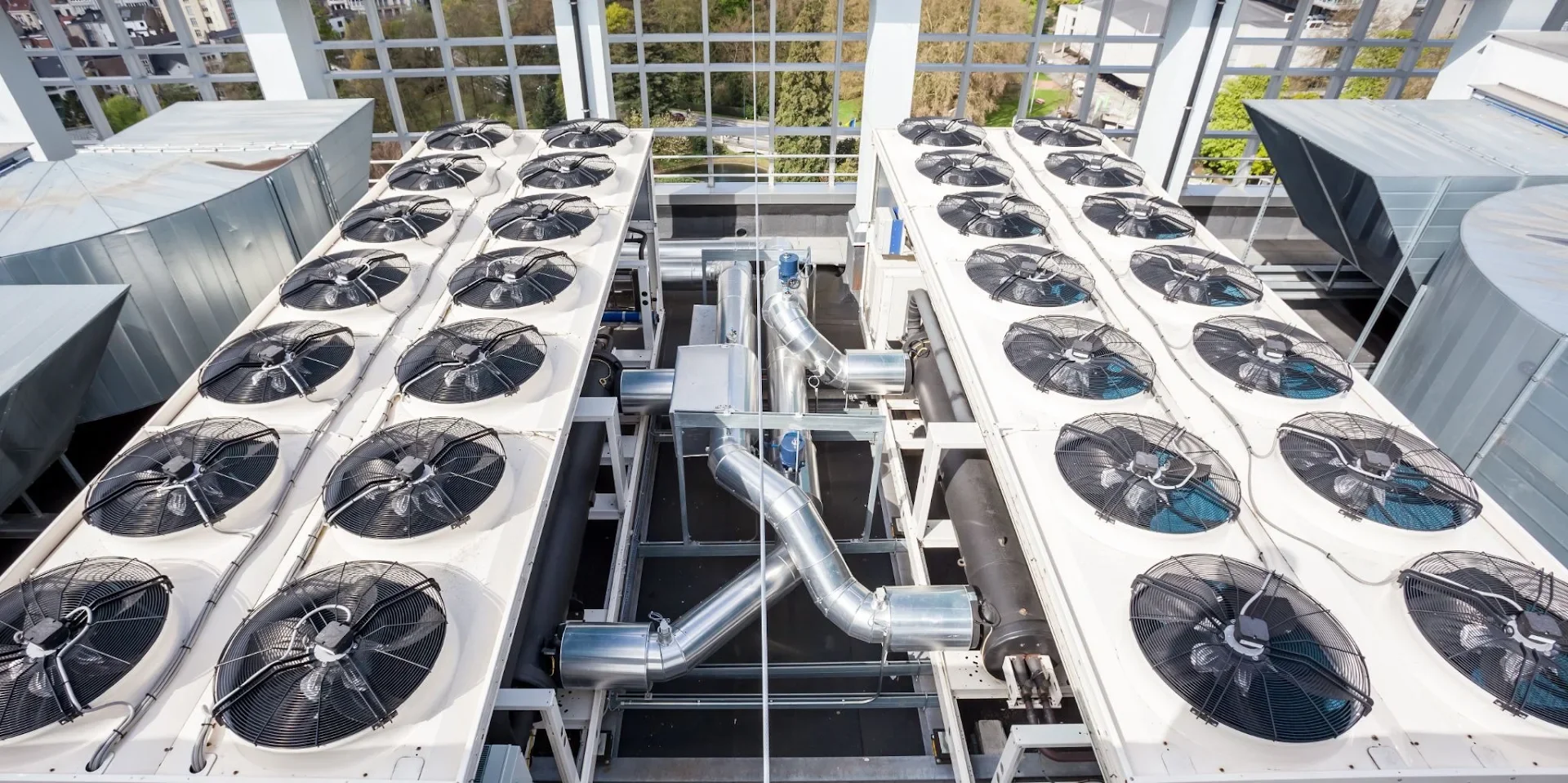
Cooling problems in a data center rarely announce themselves clearly. Instead, they tend to show up as small, easy-to-dismiss changes that gradually get worse until something forces the issue, usually at the worst possible time.
Knowing what to watch for gives you the chance to address a problem before it becomes serious, rather than after it's caused real damage to your equipment.
Are Temperature Readings Becoming Inconsistent?
If sensors across your data center start showing wider swings than usual, or if certain areas run noticeably warmer than others, that's often an early indicator your cooling system is losing its grip on the environment. A well-functioning system should maintain fairly even temperatures throughout the space.
Hot Spots Are a Warning Sign
Localized hot spots, particularly near dense server racks, suggest airflow isn't reaching where it's needed. This can stem from blocked vents, failing fans, or a cooling system that's simply undersized for current equipment loads.
Left unaddressed, hot spots accelerate wear on the hardware sitting in them, shortening the lifespan of equipment that's often expensive to replace.
Is Your Cooling System Running More Than It Used To?
A cooling system that cycles on more frequently, or runs for longer stretches without shutting off, is working harder to maintain the same conditions it used to hit easily. This increased runtime often points to declining efficiency somewhere in the system.
Rising Energy Bills Without a Clear Reason
If your energy costs have climbed without any corresponding increase in server load or building size, your cooling system is a good place to start looking. Refrigerant leaks, dirty coils, and worn compressors all force equipment to consume more power for the same output.
Catching this kind of decline early usually means a simpler repair. Waiting until the system fails outright almost always means a more expensive fix.
Are You Hearing Unusual Noises or Noticing Strange Smells?
Grinding, rattling, or squealing sounds coming from cooling equipment are rarely something to ignore. These noises often point to mechanical wear, loose components, or motor problems that will only get worse with continued operation.
Odors Can Signal Electrical or Moisture Issues
A burning smell near cooling equipment could indicate an electrical problem. A musty or damp smell may point to condensation buildup or a moisture leak inside the system instead. Either scenario deserves prompt attention, since both can escalate into equipment damage or safety concerns if left alone.
Trust these signals even when the system still seems to be functioning normally on the surface. Mechanical and electrical problems tend to progress quietly before they cause a visible failure.
How Long Has It Been Since Your Last Professional Inspection?
If you're having trouble remembering the last time a qualified technician inspected your cooling system, that alone is worth addressing. Data centers benefit from more frequent professional attention than a typical commercial HVAC system, given how much is riding on consistent performance.
What Routine Maintenance Should Include
A proper data center cooling inspection covers refrigerant levels, airflow performance, electrical connections, and the condition of filters and coils. Skipping any of these during a service visit leaves room for a developing issue to go unnoticed until it becomes a bigger problem.
Documentation from each visit also gives you a track record to reference, so you can spot patterns over time instead of evaluating each issue in isolation. Comparing reports across multiple visits often reveals a slow decline that wouldn't be obvious from any single inspection alone.
Is Your Backup Cooling Actually Ready to Take Over?
Redundant cooling units only help if they're in working condition when you actually need them. A backup unit that hasn't been tested recently can fail to engage properly during a real emergency, leaving you without the protection you thought you had.
Testing Failover Regularly
Scheduled failover testing confirms that backup units activate correctly and can handle the full cooling load on their own if the primary system goes down. Skipping this testing is one of the more common gaps in data center cooling system maintenance, largely because everything appears fine until the moment it isn't.
Alarms and Monitoring Systems
Sensors and alarm systems are only useful if they're calibrated correctly and someone is positioned to respond when they trigger. Periodic checks of your monitoring setup ensure that a real issue generates a real alert, rather than getting lost in a system that's stopped reporting accurately.
Staying Ahead of a Failure Instead of Reacting to One
Cooling issues in a data center rarely stay small for long. The signs are there well before a full failure happens, but only if someone is paying attention to them consistently.
ACS Services provides the kind of thorough, well-documented maintenance that catches these warning signs early, treating every client's critical environment with the same level of care regardless of how the last inspection went. If any of these signs sound familiar, reach out to the team to get your cooling system checked before a minor issue turns into a major outage.
FAQs: Data Center Cooling System Maintenance
How Often Should a Data Center Cooling System Be Inspected?
Most data centers benefit from professional inspection at least quarterly, though facilities running critical workloads around the clock often warrant more frequent checks. Your specific schedule should reflect how much risk downtime poses to your operation.
Can a Cooling Problem Cause Permanent Equipment Damage?
Yes. Sustained exposure to elevated temperatures accelerates wear on servers and storage hardware, and in severe cases can cause outright failure. Addressing warning signs early is almost always less costly than replacing damaged equipment after the fact.
Is It Normal for a Cooling System to Run Constantly?
A cooling system that never cycles off is usually a sign it's struggling to keep up with demand, whether from equipment wear, undersized capacity, or a developing mechanical issue. This kind of continuous operation deserves a closer look rather than being treated as normal.