Understanding the Key Concepts of BAS System Integration
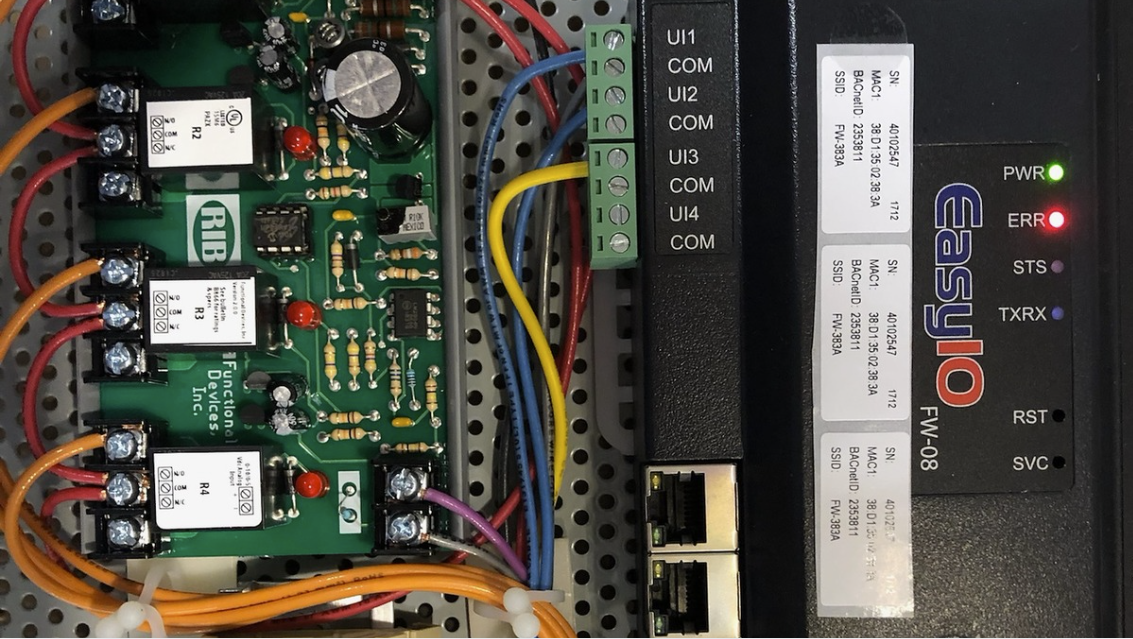
Building automation system integration connects the mechanical, electrical, and control systems in your facility so they can work together from one coordinated platform.
A BAS can control or monitor HVAC equipment, lighting, alarms, ventilation, access control, utility usage, and critical environment conditions. The value comes from how well these systems communicate, how the architecture is built, and how cleanly new equipment is integrated with existing infrastructure.
Here is an overview of how BAS integration works.
What Is BAS System Integration?
BAS system integration is the process of connecting building systems so they can exchange information and operate from a unified control environment. Instead of having separate controls for HVAC, lighting, ventilation, and alarms, an integrated system gives your team a broader view of how the facility is performing.
A properly integrated BAS helps you see what is happening across your building in real time. That can include temperatures, humidity levels, equipment status, alarms, schedules, energy usage, and performance trends.
What Are BAS Communication Protocols?
BAS communication protocols are the languages building systems use to share data. If two systems do not speak the same language, they cannot communicate directly without help.
Common BAS protocols include:
BACnet: Widely used in commercial HVAC and building automation because it was developed for building control applications.
Modbus: Often used in electrical, industrial, and equipment monitoring applications.
LonWorks and KNX: May appear in certain control networks depending on the building and equipment.
The protocol matters because it affects how easily equipment can be integrated. A newer rooftop unit, an older boiler controller, and a power monitoring device may not all use the same communication standard.
What Happens When Systems Use Different Protocols?
When systems use different protocols, an integration gateway may be needed. The gateway translates data from one protocol to another so the BAS can read, display, and use that information.
This is one reason BAS integration calls for careful planning. It is not enough to connect wires and hope systems talk to each other. The controls provider needs to understand the equipment, protocol, data points, and goals for the building.
How Do BAS Integration Gateways Work?
Integration gateways are devices or software tools that help different systems communicate. They translate data between protocols, connect older equipment to newer BAS platforms, and make information available through a shared interface.
A gateway can help connect HVAC controls, power meters, generators, lighting systems, alarms, and other equipment that would not otherwise communicate easily.
What Should Be Mapped During BAS Integration?
Point mapping is deciding what data will be shared between systems. This may include temperatures, setpoints, fan status, valve position, humidity, equipment alarms, runtime, pressure, or power usage.
Not every available data point needs to be integrated. Too much unnecessary information can clutter the system and make it harder to find what matters. The better approach is to map the points your team actually needs for operation, maintenance, reporting, and troubleshooting.
Useful BAS data often includes:
Equipment status and alarms
Space temperature and humidity
Schedules and setpoints
Runtime and maintenance indicators
Energy and power data for critical equipment
This gives your team a practical view of building performance without burying them in data they will not use.
How Does BAS Integration Support Commercial HVAC?
BAS integration supports commercial HVAC by making it easier to monitor, control, and optimize system performance. HVAC equipment is often one of the largest energy users in a commercial building, so better control can have a real effect on operating costs.
An integrated BAS can coordinate schedules, detect equipment faults, track temperature changes, monitor airflow, and alert your team when systems are not operating correctly. This helps reduce wasted energy and gives technicians better information during service calls.
Why Does BAS Integration Matter in Critical Environments?
In critical environments, BAS integration helps protect uptime. A small temperature or humidity problem can become a serious operational concern if it affects servers, batteries, production equipment, or sensitive materials.
A well-integrated BAS gives your team earlier warning when conditions drift outside the desired range. It can also help document environmental conditions and service history, which is useful for internal reporting and audit preparation.
ACS Services works with commercial facilities that need reliable HVAC, building automation, UPS and battery support, boiler plant service, and clear documentation.
View a full rundown of our commercial services
How Can Your Business Prepare for BAS Integration?
The best way to prepare is to define what you need the BAS to do before the project starts. Your team should think through the systems you want connected, the data you need to see, the alarms that matter most, and the problems you want the integration to solve.
It also helps to gather existing equipment information, control drawings, service records, panel details, and network information. If that documentation is incomplete, your BAS partner can inspect the system and help build a clearer picture.
A solid BAS integration plan can help your facility improve control, reduce wasted time, and respond faster to system issues.
A Smarter Building Starts With Better Integration
BAS system integration helps your building systems communicate, giving your team a clearer view of HVAC performance, equipment status, alarms, energy use, and critical environment conditions. The key concepts are communication protocols, system architecture, integration gateways, and point mapping.
When these pieces are handled correctly, your BAS becomes more than a control panel. It becomes a practical tool for improving reliability, efficiency, documentation, and decision-making.
If your business needs help with BAS integration, commercial HVAC controls, or critical facility support, ACS Services can help you build a system that makes your building easier to manage. Reach out to ACS Services to talk through your facility’s needs and plan the next step.