Signs It’s Time For a Commercial HVAC Inspection
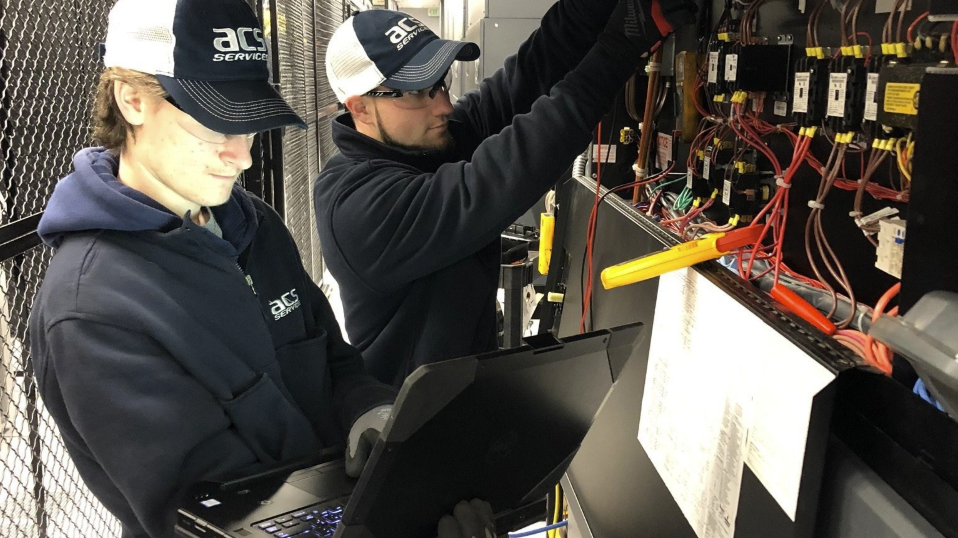
It’s time for a commercial HVAC inspection when your system shows changes in comfort, energy use, noise, airflow, humidity control, or reliability. These warning signs often appear before a full breakdown, which gives you a chance to fix smaller issues before they interrupt your business.
Here’s an in-depth guide of how to tell if it’s time for your system to get inspected.
Are Your Energy Bills Going Up?
Rising energy bills are one of the clearest signs that your commercial HVAC system needs an inspection. If your building usage has not changed but your utility costs keep climbing, your equipment may be working harder than it should.
Dirty coils, clogged filters, worn motors, poor airflow, refrigerant problems, and aging components can all reduce efficiency. The system may still heat or cool the building, but it has to use more energy to do the same job.
An inspection can help identify where that energy waste is coming from. Sometimes the fix is simple. Other times, the inspection may show that equipment is nearing the end of its useful life or needs a more detailed repair plan.
Is Your Building Heating or Cooling Unevenly?
Uneven temperatures usually mean something is not working correctly. If one area is too hot, another area is too cold, or certain rooms never feel comfortable, it may be time for a commercial HVAC inspection.
Common causes include airflow restrictions, ductwork issues, failing dampers, control problems, thermostat errors, blocked vents, or equipment that is no longer sized correctly for the building’s needs.
This can be especially frustrating in commercial spaces because comfort problems often lead to employee complaints, tenant concerns, or customer discomfort. An inspection helps determine whether the issue is coming from the HVAC equipment, controls, airflow, or building layout.
Are You Hearing New or Unusual Noises?
New noises should never be ignored. Grinding, rattling, banging, squealing, buzzing, or humming can all point to mechanical or electrical problems inside the system.
A loose belt, failing bearing, worn motor, unstable fan assembly, or electrical issue can get worse with continued operation. What starts as an unusual sound can turn into equipment damage if it is not addressed.
During an inspection, a technician can look for worn parts, loose components, vibration issues, and signs of stress. Catching these problems early can help prevent a more expensive repair later.
Has Airflow Changed in Your Building?
Weak airflow is another common sign that your commercial HVAC system needs attention. If vents are barely moving air, certain areas feel stagnant, or the system runs constantly without reaching the set temperature, airflow may be part of the problem.
Poor airflow can come from clogged filters, dirty coils, fan issues, duct obstructions, control problems, or failing motors. It can also put extra strain on the system because the equipment has to work longer to meet demand.
In some buildings, airflow problems can affect indoor air quality and ventilation. That makes inspection especially valuable for facilities with employees, visitors, equipment, or process areas that depend on proper air movement.
Are You Noticing Humidity Problems?
Humidity problems can be a sign that your HVAC system is not controlling the indoor environment properly. Too much moisture can make a building feel uncomfortable, contribute to mold concerns, and damage materials. Too little moisture can create static electricity issues and discomfort.
Critical environments often need tighter humidity control. Server rooms, UPS rooms, laboratories, and certain production areas can be affected when humidity levels drift outside the desired range.
An HVAC inspection can identify issues with coils, drainage, ventilation, controls, sensors, and system operation. The goal is to find out why humidity is changing and how to stabilize conditions.
Is Your System Running Longer Than Normal?
An HVAC system that runs constantly may be struggling to keep up. Longer run times can point to dirty components, refrigerant problems, poor airflow, aging equipment, control issues, or an increased load on the building.
Long run times also increase wear. Motors, compressors, belts, fans, and electrical components can all break down faster when the system has to run longer than normal.
An inspection helps determine whether the system needs cleaning, adjustment, repair, or a more detailed performance review. It can also help you decide whether preventative maintenance should happen more often.
Has Your Facility Changed?
Your HVAC system should match how your building is used. If your facility has added equipment, changed layouts, expanded production, added people, renovated spaces, or created new critical areas, the existing system may need to be inspected.
A system that worked well five years ago may not meet today’s demands. Added heat load, changed airflow, new operating hours, or updated business needs can all affect performance.
An inspection can help confirm whether your system is still properly supporting the facility. It can also identify upgrades, control adjustments, or maintenance changes that would make the system more reliable.
What Should a Commercial HVAC Inspection Include?
A commercial HVAC inspection should review the condition, performance, safety, and efficiency of the system.
The exact checklist depends on your equipment, but a thorough inspection from a commercial HVAC provider often includes:
Filters, coils, belts, motors, fans, and electrical connections
Refrigerant levels, drainage, airflow, and temperature performance
Controls, thermostats, sensors, alarms, and building automation
Equipment condition, safety concerns, and recommended next steps
The inspection should also include clear documentation. You should know what was checked, what was found, and what actions are recommended.
A Better Way to Stay Ahead of HVAC Problems
A commercial HVAC inspection gives you the information you need to make better decisions about repair, maintenance, efficiency, and equipment life. It can help you catch small problems early, protect your facility, and reduce the risk of surprise downtime.
If your system has been showing warning signs, now is the right time to have it inspected. ACS Services provides commercial HVAC support with 24/7 availability, same-day reports, and direct communication from a team that understands critical environments.
Reach out to ACS Services to schedule an HVAC inspection for your business and get a clear picture of what your system needs next.