Commercial HVAC Inspection: A Complete List of What’s Included
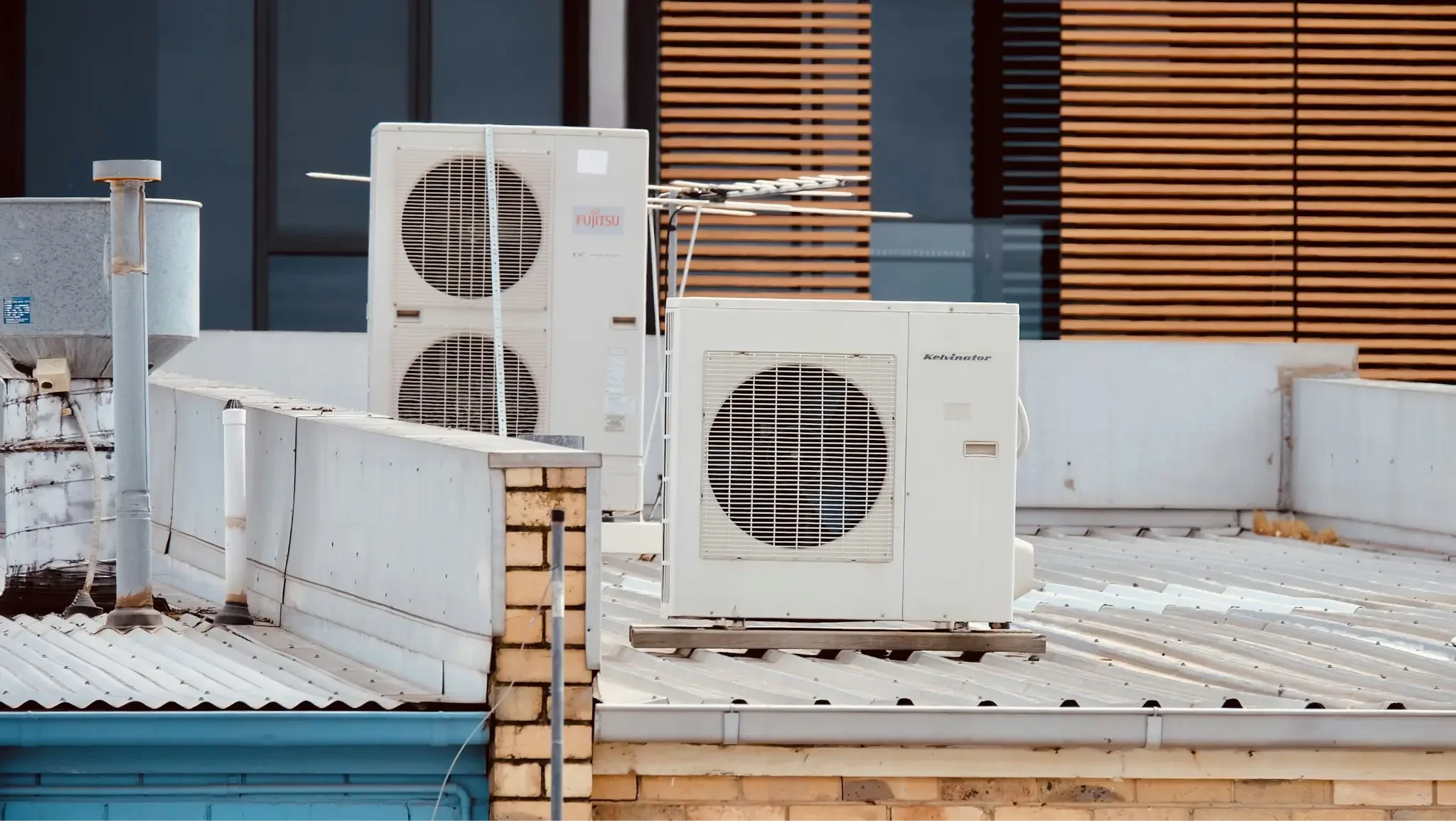
Your commercial HVAC system works hard every day to keep your building comfortable, efficient, and safe. Over time, wear and tear can affect performance in ways that aren’t always obvious. That’s where a commercial HVAC inspection comes in. It gives you a clear picture of how your system is operating and what needs attention before small issues turn into expensive repairs.
This guide walks you through what is included in an HVAC inspection, how often they should happen, and their role in building performance.
What Is Included in a Commercial HVAC Inspection?
A thorough inspection looks at every major component of your system. The goal is to evaluate performance, identify risks, and document current conditions so you can make informed decisions about maintenance or repairs.
System Performance Evaluation
One of the first steps in any commercial HVAC inspection is checking how the system is running under normal conditions. Technicians measure airflow, temperature differentials, and system pressure to confirm everything is operating within expected ranges.
These readings help identify inefficiencies that might not be visible during a quick walkthrough. If your system is working harder than it should, you’ll often see it in these performance metrics.
Air Filters and Airflow
Airflow plays a major role in both comfort and indoor air quality. During the inspection, filters are checked for buildup, damage, or improper sizing. Dirty or clogged filters can restrict airflow and force your system to work harder.
Ductwork and vents are also reviewed to confirm air is moving properly throughout your building. Uneven airflow can point to blockages, leaks, or design issues that need to be addressed.
Electrical Components and Connections
Electrical issues are one of the most common causes of system failure. During a commercial HVAC inspection,technicians review wiring, connections, and control panels for signs of wear or overheating.
Loose connections or damaged wiring can create safety risks and lead to unexpected shutdowns. Catching these issues early helps you avoid disruptions and extend the life of your equipment.
Thermostat and Controls
Your system’s controls are responsible for maintaining consistent temperatures and efficient operation. Inspecting thermostats and control systems confirms they are calibrated correctly and communicating with the rest of the system.
If controls are out of sync, your HVAC system might cycle too often or fail to maintain the right temperature. This can impact both comfort and energy use.
How Are Mechanical Components Checked?
Beyond performance and controls, a commercial HVAC inspection takes a closer look at the mechanical parts that keep everything running.
Fans, Motors, and Belts
Moving parts like fans and motors are inspected for wear, alignment, and proper operation. Belts are checked for tension and signs of cracking or fraying.
These components experience constant use, so even small issues can lead to larger failures if left unaddressed. Regular inspections help keep everything running smoothly and reduce downtime.
Coils and Heat Exchangers
Evaporator and condenser coils are inspected for dirt, corrosion, and damage. Clean coils allow your system to transfer heat efficiently, which keeps energy use in check.
Heat exchangers are also reviewed for cracks or other structural issues. This is especially important for safety, since damaged heat exchangers can lead to serious problems if not caught early.
Refrigerant Levels and Lines
Refrigerant plays a key role in cooling performance. During the inspection, technicians check refrigerant levels and look for signs of leaks in the system.
Low refrigerant can reduce cooling capacity and increase strain on your equipment. Addressing leaks early helps maintain efficiency and prevents more complex repairs later on.
What Safety Checks Are Included?
Safety is a core part of any commercial HVAC inspection. These checks focus on protecting your building, your equipment, and the people inside.
Electrical Safety and Shutoffs
Emergency shutoff systems and electrical safety controls are tested to confirm they respond correctly. This helps confirm your system can be safely powered down if needed.
Inspectors also look for signs of overheating or damage that could lead to electrical hazards.
Gas Connections and Combustion Systems
For systems that use gas, connections and combustion components are carefully inspected. Technicians check for leaks, proper ventilation, and safe operation.
These checks help prevent issues that could affect air quality or create safety concerns within your building.
Drainage and Moisture Control
Condensate drains and pans are reviewed to confirm proper drainage. Blocked or damaged drains can lead to water buildup, which can cause damage to equipment and surrounding areas.
Moisture control is also important for preventing mold growth and maintaining indoor air quality.
What Documentation Comes With an Inspection?
A key part of a professional inspection is the documentation that comes with it. You’re not just getting a checklist. You’re getting a detailed record of your system’s condition.
Detailed Inspection Reports
After the inspection, you should receive a report outlining findings, measurements, and any areas of concern. This documentation gives you a clear understanding of what was checked and what might need attention.
Having this level of detail is especially valuable for planning future maintenance or budgeting for repairs.
Maintenance Recommendations
Along with the report, you’ll typically receive recommendations for maintenance or improvements. These might include cleaning, part replacements, or adjustments to improve efficiency.
This guidance helps you prioritize next steps without guessing what your system needs.
What Is the Recommended Frequency for Commercial HVAC Inspections?
The recommended frequency for commercial HVAC inspections depends on your system, usage, and environment. In most cases, scheduling inspections at least twice a year is a good starting point.
Many facilities choose to align inspections with seasonal changes. One inspection before the cooling season and another before the heating season helps prepare your system for peak demand.
Buildings with critical environments or heavy usage might require more frequent inspections. The goal is to stay ahead of potential issues and keep your system operating consistently.
How Do Inspections Support Long-Term Performance?
Regular inspections do more than catch immediate problems. They play a key role in how your system performs over time.
Improved Efficiency
When your system is operating correctly, it uses less energy to maintain comfortable conditions. Inspections help identify inefficiencies that might otherwise go unnoticed.
Addressing these issues can lead to lower operating costs and more consistent performance.
Reduced Downtime
Unexpected breakdowns of a commercial HVAC system can disrupt your operations and lead to costly repairs. Routine inspections help identify risks early so you can plan repairs on your schedule.
This approach reduces the chances of sudden failures and keeps your building running smoothly.
Extended Equipment Life
Your HVAC system is a major investment. Regular inspections help protect that investment by keeping components in good condition and addressing wear before it leads to failure.
Over time, this can extend the lifespan of your equipment and delay the need for replacement.
Keep Your System Running with Confidence
A well-executed commercial HVAC inspection gives you more than a snapshot of your system. It provides clarity, documentation, and a path forward for maintaining performance.
ACS Services approaches every inspection with a focus on detail and accountability. You receive clear reporting, consistent communication, and the same level of attention regardless of your facility type.
If you’re looking to schedule an inspection or want a better understanding of your system’s current condition, reach out to ACS Services. Their team is available to help you stay ahead of issues and keep your building operating the way it should.