What Is a Commercial HVAC System? Everything You Need To Know
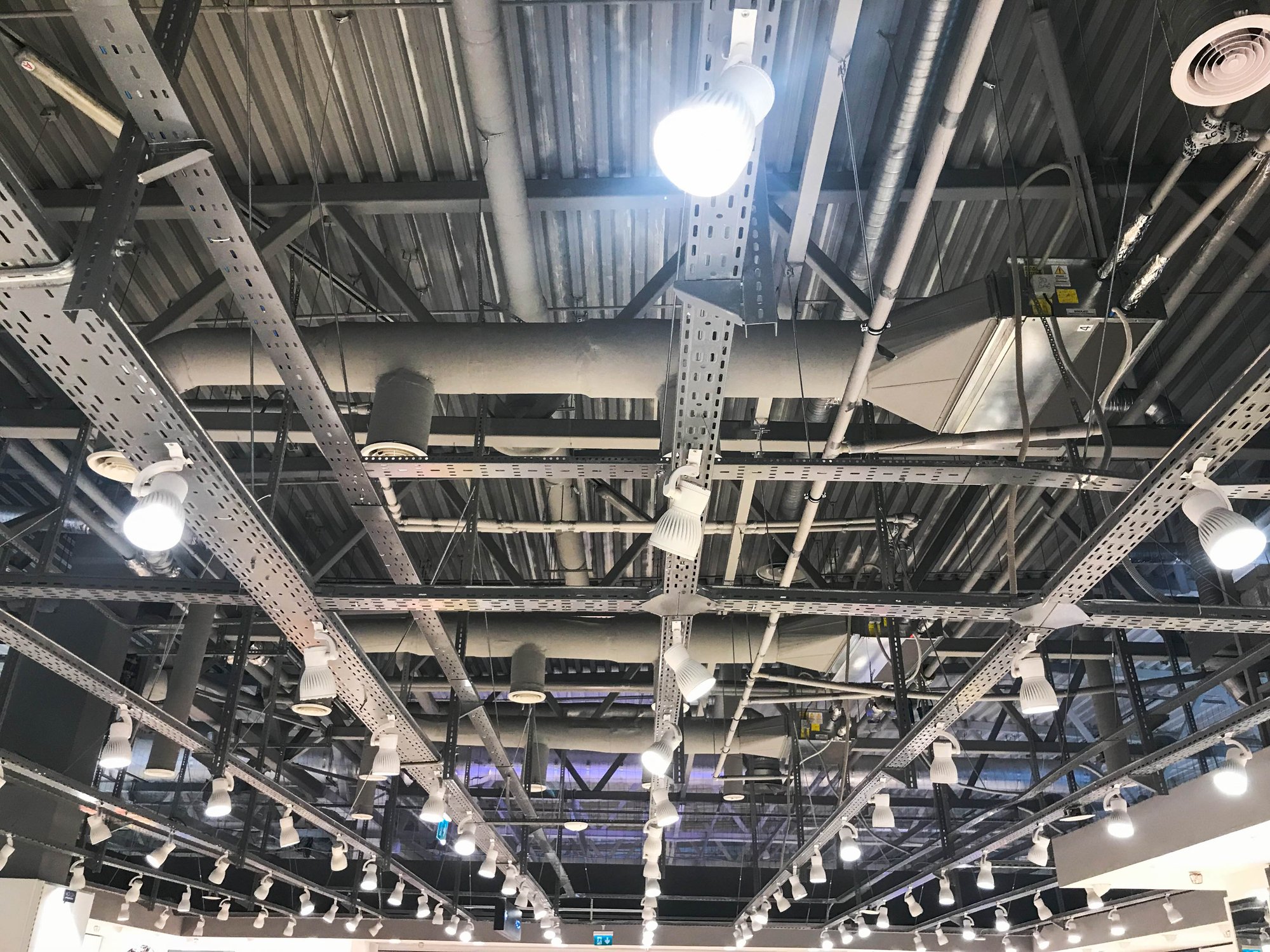
A dependable commercial HVAC system is key for comfort, indoor air quality, and stability in any commercial building.
Knowing how these systems work can benefit you whether you manage an office, run a restaurant, operate a warehouse, or oversee a medical facility. Modern HVAC technology keeps evolving, which means you now have more options for improving efficiency and creating healthier indoor environments than ever before.
Here’s everything you need to know about the HVAC systems in commercial buildings.
What Is a Commercial HVAC System?
A commercial HVAC system is a large-scale heating, ventilation, and air conditioning setup designed to manage the indoor environment of a commercial property. This system regulates temperature, humidity, airflow, and indoor air quality.
Commercial buildings require more robust systems than residential homes because they handle larger volumes of air, run longer hours, and often serve multiple zones with varied climate needs.
What Commercial HVAC Systems Do
The main purpose of commercial HVAC equipment is to create a stable indoor climate that supports comfort, productivity, and health.
The system heats and cools the building, replaces stale indoor air with fresh outdoor air, and filters airborne particles that can impact indoor air quality. A well-designed system also helps reduce the spread of airborne irritants, which is especially important in offices, schools, and healthcare facilities.
Why Commercial Systems Are Different From Residential Systems
Commercial HVAC systems are larger, more complex, and far more powerful than the equipment used in homes. They are built to handle heavy daily workloads and must operate efficiently across large square footage. Many commercial properties also need zoning systems to regulate different areas independently, which adds another layer of complexity to the overall design.
Common Commercial HVAC Configurations
A commercial system might sit on a roof, be divided into separate indoor and outdoor units, or use chilled-water plants. Each building has unique structural, occupancy, and operational needs that determine which configuration works best. Some systems are installed during construction, but others must be integrated into existing buildings, which can influence the final design.
How Does a Commercial HVAC System Work?
How does commercial HVAC work? Below is a simple, easy to understand rundown of how the HVAC system for a commercial building works. Knowing the basics of your system’s operations will help you spot the signs that commercial HVAC repairs are needed.
Ventilation
The system begins with outdoor air intake. Fresh air enters the building through intake vents, moves through filters that capture dust and pollutants, and travels into air handlers that help circulate air throughout the space.
Proper ventilation also maintains building pressure, which supports airflow consistency and prevents air from becoming stagnant.
Heating Equipment
When a thermostat signals the need for heat, the system activates one of several heating methods. Many buildings use furnaces that burn natural gas or run on electric elements. Others use boilers that heat water or make steam for circulation through pipes and radiators.
Some buildings rely on heat pumps that move heat in or out depending on the season. Heated air or water is directed into specific zones to maintain stable temperatures without temperature swings.
Cooling Equipment
The cooling process depends on the refrigeration cycle. Indoor air flows over evaporator coils that absorb heat. Refrigerant carries that heat outdoors to condenser coils, where it is rejected into the outside air.
Once condensed into a liquid, the refrigerant returns inside to repeat the cycle. Some buildings use packaged rooftop units, others use split systems with indoor air handlers and outdoor condensers, and large facilities may use VRF systems or chillers. In buildings with extensive occupancy, high-performance cooling is essential for preventing overheating and controlling humidity.
Distributing Air Through the Building
Once air is heated or cooled, it travels through ductwork that connects every part of the property. Dampers inside the ducts help control airflow to specific zones. Modern digital controls monitor temperature, humidity, air flow, and energy consumption, making it easier to maintain consistent performance and fine-tune comfort levels across the building.
Key Components That Make Up a Commercial HVAC System
Commercial HVAC systems include several essential components that work together to deliver reliable heating, cooling, and ventilation.
Air Handlers
Air handlers move air through the building. These units contain blowers, cooling or heating coils, and filtration components. They serve as the engine that circulates conditioned air throughout the space.
Condensers and Evaporator Coils
Condensers are usually located outside or on rooftops and reject the heat removed from the building. Evaporator coils absorb that heat from indoor air. Together, these coils support the refrigeration cycle that cools the space and keeps temperatures stable.
Ductwork
Ducts act as a highway for conditioned air. Their design, length, and insulation quality play an important role in maintaining efficiency and comfort. Proper duct design helps prevent temperature loss and reduces strain on the system.
Controls and Thermostats
Modern commercial systems rely on advanced control panels that monitor and adjust temperature, humidity, and airflow. Thermostats connect to these systems to manage zone-specific comfort levels and support energy-efficient scheduling.
Ventilation Fans and Air Filters
Ventilation fans pull fresh air into the building and push stale air out. Filters capture unwanted particles and help maintain better indoor air quality while protecting the equipment from premature wear.
Heating and Cooling Equipment Options
Depending on the building, heating may come from furnaces, boilers, or heat pumps. The cooling however, may come from rooftop units, split systems, VRF systems, or chillers. Each option has specific benefits based on the building’s size and use.
What Are the Types of Commercial HVAC Systems?
Commercial properties use a variety of system types depending on their size, layout, and performance needs.
Here are the most common types of commercial HVAC systems:
Split Commercial HVAC Systems
Split systems include separate indoor and outdoor units. The indoor equipment handles airflow and cooling, but the outdoor units typically contain condensers and compressors. This option offers flexibility for zoning and works well in smaller commercial properties.
Packaged Rooftop Units
Many commercial buildings use rooftop units that house all heating and cooling components in one cabinet. These systems save indoor space and make maintenance easier since equipment is located in one accessible area. Their versatility makes them a common choice for retail stores and office buildings.
VRF and VRV Systems
VRF and VRV systems use refrigerant to move heat between zones. These systems allow one part of the building to cool while another warms. This design improves comfort and energy efficiency in buildings with varied climate needs and creates a more tailored indoor environment.
Chiller-Based Systems
Large commercial buildings often rely on chiller systems. Chillers produce chilled water that circulates to air handlers or other terminal equipment throughout the building. This method supports strong and consistent cooling for sizable facilities with high cooling demand.
How Long Do Commercial HVAC Systems Last?
Most commercial HVAC systems last fifteen to twenty years, but some can last longer with consistent care and good operating conditions.
What Makes a Commercial HVAC System Last?
The lifespan of a system depends on how often it runs, how well it is maintained, the quality of its components, and the climate it operates in. Humid climates, extreme temperature swings, or heavy daily usage can shorten the system’s operating life.
More Usage = Shorter Lifespan
Buildings that operate long hours each day place more strain on their HVAC systems. Warehouses, manufacturing facilities, and large office spaces often require more frequent maintenance due to heavy load demands and continuous airflow needs.
How Regular Maintenance Can Help
Routine maintenance and commercial HVAC repairs helps slow wear on internal parts, reduces the risk of breakdowns, and helps the system stay efficient. A well-maintained system typically lasts longer, performs more reliably, and supports better indoor comfort.
Signs That a Commercial HVAC System Is Nearing the End
As systems age, they begin to show signs of declining performance. The biggest sign to look out for is rising energy costs. Older systems often lose efficiency, forcing them to work harder and consume more energy to achieve the same results.
Also, an older system will need more frequent repairs. When a system requires service calls more often, it usually indicates internal components are failing or wearing down at a faster rate.
In addition, keep an eye out for uneven heating or cooling, hot and cold spots, and humidity issues, all of which suggest that the system no longer regulates the building effectively. The same goes for an overall reduction in air quality. Aging systems may struggle to filter air properly, allowing dust or contaminants to circulate more easily and negatively affect indoor air quality.
When To Replace Your Commercial HVAC System
If repair bills grow year after year, replacement becomes the more cost-effective option for your commercial HVAC system. Continued part failures point to widespread internal wear that is difficult to reverse. In the same way, a system that runs constantly, struggles to reach set temperatures, or causes utility costs to rise may no longer operate efficiently enough to justify continued repairs.
It’s also best to replace your current system if your building’s needs have changed. New tenants, updated floor plans, expanded offices, or increased ventilation requirements can make older units undersized or outdated for the building’s current needs.
The same goes for when your HVAC system becomes obsolete. Systems that rely on phased-out refrigerants such as R-22 become expensive to service. Limited availability of parts signals that replacement is the more reliable long-term decision.
What Are the Benefits of Upgrading a Commercial HVAC System?
Upgrading a commercial HVAC system offers meaningful improvements that benefit the building and everyone who uses it.
The biggest perk you will notice is improved efficiency. Modern systems use advanced technology to reduce energy waste and maintain comfort with less effort. This lowers energy costs and supports more predictable performance each season.
An upgrade can also lead to higher air quality. Newer filtration and ventilation technology helps remove airborne contaminants more effectively and supports a healthier indoor environment for employees, customers, and visitors.
In addition, updated control systems provide more precise temperature and humidity management. Many offer remote access and performance monitoring tools that help facility managers make informed decisions.
Maintaining a Commercial HVAC System Step by Step
Maintenance is essential for extending the lifespan of a commercial HVAC system and keeping buildings comfortable year-round.
Step One: Never Skip a Professional Inspection
Routine inspections allow commercial HVAC technicians to detect problems early and make adjustments that keep system performance steady throughout the year.
Step Two: Replace Filters Regularly
Clean filters support stronger airflow, reduce dust buildup, and improve indoor air quality. Dirty filters force the system to work harder and lead to additional strain. Follow your HVAC service provider’s recommendations for filter replacements to get the best results.
Step Three: Keep Coils and Components Clean
Coils naturally collect dirt and dust over time. Clean coils allow the system to transfer heat effectively, which supports cooling efficiency and long-term performance. A professional HVAC technician can clean your system’s coils and other components during a routine checkup.
Step Four: Keep an Eye on Refrigerant Levels and Controls
Correct refrigerant levels are essential for stable cooling. Control panels, sensors, and thermostats should be checked regularly to verify that they operate correctly and respond accurately to building conditions.
How To Pick the Right HVAC System for Your Commercial Building
Choosing the right HVAC system for a large building takes professional insight. A qualified HVAC professional can evaluate your building and recommend a system that aligns with your energy goals, performance needs, and future plans.
Choose ACS Services for All Your Commercial HVAC Needs
A commercial HVAC system plays a huge role in keeping your building safe, comfortable, and efficient. If you plan ahead, schedule routine service, and invest in efficient equipment, your HVAC system can deliver reliable performance and long-lasting value for years.
If you need your commercial HVAC system serviced, repaired, or replaced, we’re here to help. The ACS Services team operates out of West Chester, PA and serves businesses of all kinds in the surrounding area. Reach out to us to schedule an inspection and get your HVAC system running at peak performance.