Everything You Need To Know About Uninterruptible Power Systems (UPS)
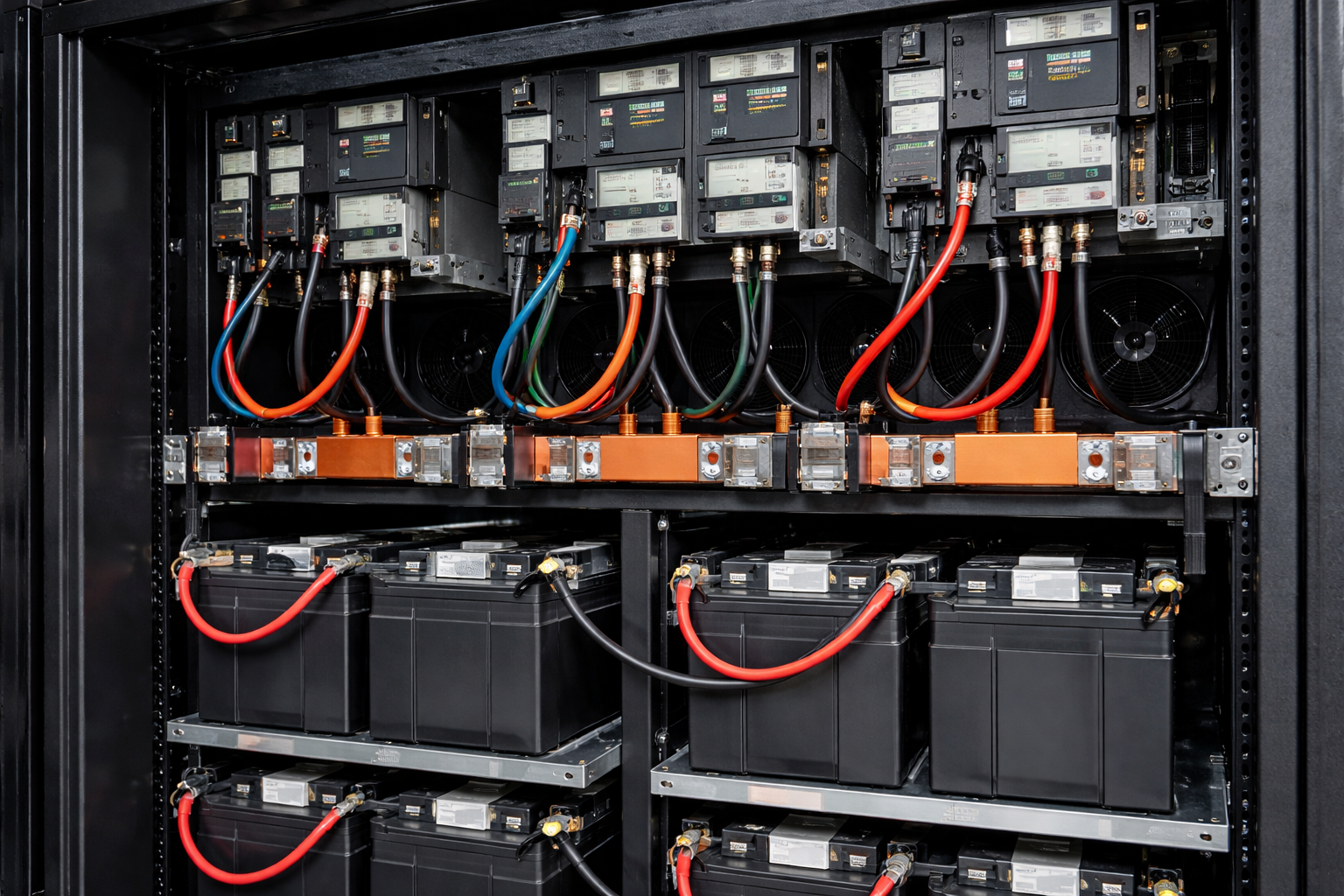
Power problems rarely happen on your schedule.
One moment systems are operating normally, and the next, your screen goes dark or equipment shuts down without warning. A short outage in power can create a huge headache for you and your company.
If your day depends on technology, even a brief interruption can cause more disruption than expected. Files may be lost, systems may restart improperly, and hardware can take on unnecessary stress. An Uninterruptible Power System (UPS) exists to help you avoid those situations and stay in control when power becomes unreliable.
This guide walks you through how a UPS system works, the different types of UPS systems available, and why a UPS battery backup plays an important role in protecting both your equipment and your data.
What Is an Uninterruptible Power System (UPS)?
An Uninterruptible Power System (UPS) is designed to supply temporary backup power and regulate electrical quality for connected equipment.
The system contains components that continuously monitor incoming voltage, store energy, and deliver clean, consistent power. These internal parts work automatically, without requiring any manual action from you.
A UPS Does More Than Handle Outages
You may think of a UPS system as something that only turns on during a power outage. Backup power is important, but it is only one part of what the system does.
A UPS also helps manage voltage dips, surges, and electrical noise that occur during normal operation.
Why Power Quality Matters to Your Equipment
Even small power irregularities can put stress on sensitive electronics.
Servers, computers, and network devices are designed to operate within small electrical ranges. When voltage moves outside its limits, these devices work harder and wear faster. A UPS system helps keep power within a safer range, which helps protect your equipment over time.
How Power Issues Affect Day-to-Day Productivity
Power problems don’t always cause immediate failures, but they often create small disruptions that slow your day down.
When systems restart unexpectedly or applications freeze, you lose time as you try to get everything back to where it was. Those interruptions add up quickly, especially in environments where multiple tools depend on one another.
A UPS system helps reduce these disruptions by keeping systems stable during brief power events. Even a short buffer can prevent unnecessary restarts and help work continue more smoothly.
How Does a UPS System Work?
Understanding how a UPS works starts with knowing how electricity flows through the system during normal conditions.
Utility power enters the Uninterruptible Power System (UPS) and passes through internal filtering and conditioning components before reaching your equipment. At the same time, the system keeps its battery charged and ready.
What Happens When Power Is Lost
When the UPS detects a problem with incoming power, it responds immediately. Energy stored in the battery is converted into usable power through an inverter. This transition happens so quickly that most connected equipment continues operating without interruption.
How the System Recovers After an Event
Once utility power returns to acceptable levels, the UPS system switches back to standard operation and begins recharging the battery. This process happens automatically and prepares the system for future power events without disrupting your equipment.
Can Small Power Outages Cause Damage?
Power outages are often easy to notice, but did you know other damaging power events can occur without any visible signs?
Voltage drops, brief interruptions, and small surges can occur regularly without being obvious. Your system experiences these changes even when you don’t, which can impact your valuable equipment.
The Risk of Unexpected Shutdowns
When systems shut down without warning, open files can be corrupted and operating systems might not restart properly. Repeated interruptions increase the risk of long-term data issues and system instability.
The Impact on Long-Term Equipment Health
Power instability doesn’t always cause immediate failures, but it can slowly affect how reliably your systems operate. When voltage changes happen repeatedly, your devices may restart unexpectedly or behave inconsistently over time.
These issues might appear gradually, making them harder to trace back to power quality.
A UPS system helps limit those disruptions by delivering steadier power throughout the day. That consistency helps your technology operate as intended and reduces the likelihood of performance issues that show up months or years later.
Reducing Wear on Sensitive System Parts
Electronic systems are built to function within a defined electrical range. When power falls outside that range, internal parts have to adjust repeatedly just to keep things running. Over time, that constant adjustment can weaken reliability and increase the chance of unexpected breakdowns.
By maintaining more consistent power, a UPS system helps those internal parts operate under more predictable conditions. That stability often leads to fewer surprise failures and less need for unplanned repairs over the long term.
What Are the Main Types of UPS Systems?
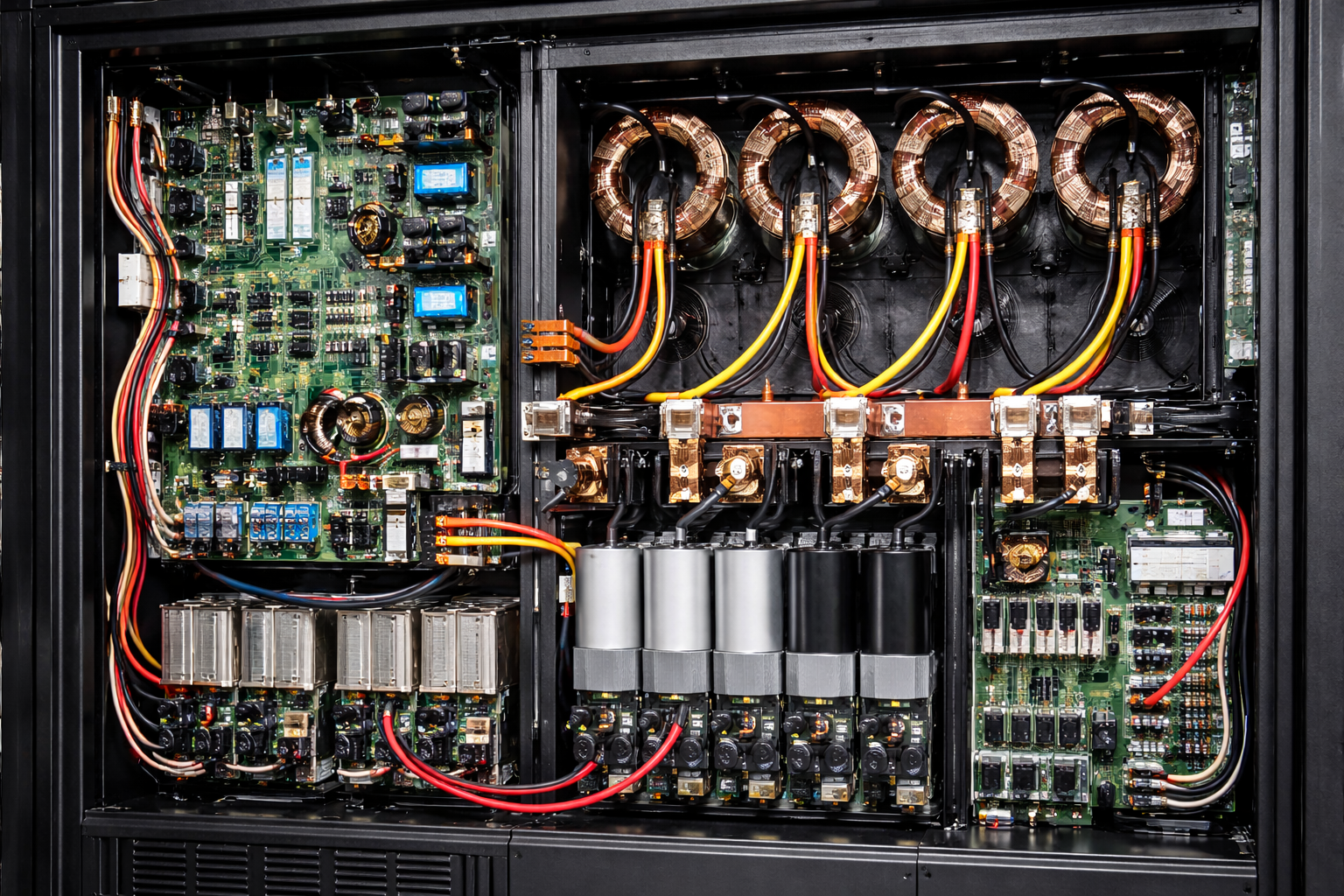
There are several types of UPS systems available, each designed to handle power issues differently. The most common categories include standby UPS systems, line-interactive UPS systems, and online UPS systems.
The best UPS system for you depends on how stable your power supply is and how sensitive your equipment may be. Some environments need only basic outage protection, and others require constant power conditioning.
What Is a Standby UPS System?
A standby UPS system is the most basic type of Uninterruptible Power System (UPS). During normal operation, your equipment runs directly on utility power as the UPS monitors voltage levels in the background.
How Standby UPS Systems Respond
When power drops outside a safe range or shuts off completely, the standby UPS switches to battery power within milliseconds. This quick response helps prevent abrupt shutdowns and protects connected devices from immediate power loss.
Where Standby UPS Systems Are Commonly Used
Standby UPS systems are often used for desktop computers, small office setups, and basic networking equipment. If your power supply is generally stable and outages are rare, this type of UPS system may meet your needs.
Limitations to Keep in Mind
If you’re located somewhere that has frequent voltage fluctuations, your standby UPS may rely on its battery often. That repeated cycling can shorten battery life. Standby systems also provide limited voltage regulation compared to other types of UPS systems.
What Is a Line-Interactive UPS System?
A line-interactive UPS system builds on the standby design by adding automatic voltage regulation. Instead of switching to battery power for every minor voltage change, the system adjusts incoming power internally.
How Voltage Regulation Works
A line-interactive UPS uses internal transformers to boost low voltage or reduce high voltage. This keeps output power more consistent without draining the battery for every fluctuation.
Benefits During Normal Operation
By correcting voltage issues before they reach your equipment, a line-interactive UPS reduces battery usage and extends battery life. This makes it well suited for environments with inconsistent power but fewer full outages.
Improving Power Stability Without Battery Drain
One of the advantages of a line-interactive UPS is how it handles everyday voltage changes. Instead of relying on the battery for every small fluctuation, the system adjusts power internally. This allows your equipment to receive steadier power without unnecessary battery use.
The result is a more stable operating environment and longer battery life, especially in areas where voltage changes happen frequently.
Typical Applications for Line-Interactive UPS Systems
You often see line-interactive UPS systems protecting servers, network closets, point-of-sale systems, and small data environments. They offer a balance between performance and efficiency.
What Is an Online UPS System?
An online UPS system provides some of the highest levels of protection available. It operates using a continuous double conversion UPS design that isolates your equipment from incoming utility power.
Understanding Double Conversion UPS Technology
In an online UPS, incoming AC power is converted to DC power and then converted back to clean AC power before reaching your equipment. This double conversion UPS process happens continuously.
Why Transfer Time Is Eliminated
Because the inverter is always supplying power, there is no transfer delay when an outage occurs. The battery simply continues feeding the inverter, and your equipment never experiences an interruption.
When an Online UPS Is the Right Choice
Online UPS systems are commonly used in data centers, healthcare facilities, labs, and other environments where even minor power disturbances are unacceptable. They require more energy and investment, but they deliver unmatched stability.
Supporting Systems That Must Stay Online
Some systems are expected to run continuously without interruption. Even a brief power change can cause errors that require manual fixes or system checks. In these environments, consistency matters just as much as backup power.
An online UPS system provides that consistency by isolating equipment from incoming power issues. This helps critical systems operate reliably throughout the day, not just during outages.
Why Is a UPS Battery Backup So Important?
A UPS battery backup protects more than just your hardware. It helps protect your data, workflows, and operational continuity. Even short power interruptions can have lasting effects if systems are not protected.
Preventing Data Corruption
When power fails unexpectedly, files may not save correctly and databases can become corrupted. A UPS system gives you time to save work or complete a controlled shutdown.
Supporting Equipment Longevity
Stable power helps equipment operate as intended. By reducing voltage stress and sudden shutdowns, a UPS battery backup helps extend the life of your devices.
Allowing for Safe Shutdown Procedures
Some systems require orderly shutdown processes to avoid damage or safety risks. A UPS ensures those systems receive power long enough to shut down properly.
How Do You Choose the Right UPS System?
Choosing the right UPS system starts with understanding your equipment and your tolerance for downtime. The level of protection you need depends on how critical continuous operation is for your environment.
Evaluating Load and Capacity
Each UPS system has a power rating that determines how much equipment it can support. Calculating your total load and allowing extra capacity helps the system handle startup surges safely.
Considering Runtime Needs
Some UPS battery backup systems provide just enough time for shutdown, but others offer extended runtime options. The right choice depends on how long your equipment needs to stay powered.
Balancing Risk and Investment
Higher levels of protection often involve higher upfront costs. Matching the UPS system to your actual risk helps you protect equipment without unnecessary complexity.
What Does UPS Maintenance Involve?
A UPS system performs best when maintained properly. The battery is the most important component to monitor, as all batteries degrade over time. Here’s what you can expect from a reliable UPS maintenance partner.
Battery Lifespan and Testing
Most UPS batteries last between three and five years. Regular testing helps confirm the system will respond correctly during a power event.
Environmental Conditions That Matter
Heat, dust, and poor ventilation can shorten battery life. Keeping the UPS in a clean, cool environment helps maintain reliability.
Maintenance Features in Advanced Systems
Some online UPS systems include hot-swappable batteries, allowing replacement without powering down equipment. This is especially helpful in uptime-critical environments.
When Should You Upgrade or Replace a UPS System?
Over time, every UPS system reaches a point where replacement becomes necessary. Reduced runtime, frequent alarms, or unstable voltage regulation can indicate declining performance.
As your equipment load increases, your UPS system may no longer provide adequate protection. Upgrading helps keep your power infrastructure aligned with your needs. Also, newer systems offer better efficiency, improved monitoring, and more reliable double conversion UPS performance. Upgrading can reduce risk and improve long-term stability.
Why Are UPS Systems Becoming More Important?
Technology plays a growing role in daily operations, making stable power more critical than ever. Cloud services, remote work tools, and connected devices all depend on consistent electricity.
A UPS system helps reduce disruptions that affect communication, transactions, and customer service. Even short outages can have lasting effects without protection. In addition, UPS systems also help protect home offices by maintaining internet connectivity and safeguarding personal electronics.
A Practical Way To Think About UPS Protection
An Uninterruptible Power System (UPS) is not just insurance against outages. It’s a practical tool that helps protect equipment, preserve data, and keep operations stable. Understanding how a UPS works and the differences between types of UPS systems allows you to make informed decisions about protecting what matters most.
Choosing the right UPS for you shouldn’t feel overwhelming. Contact ACS Services to discuss your options and find the best fit for your equipment.