The Connection Between Welding Quality and HVAC System Reliability
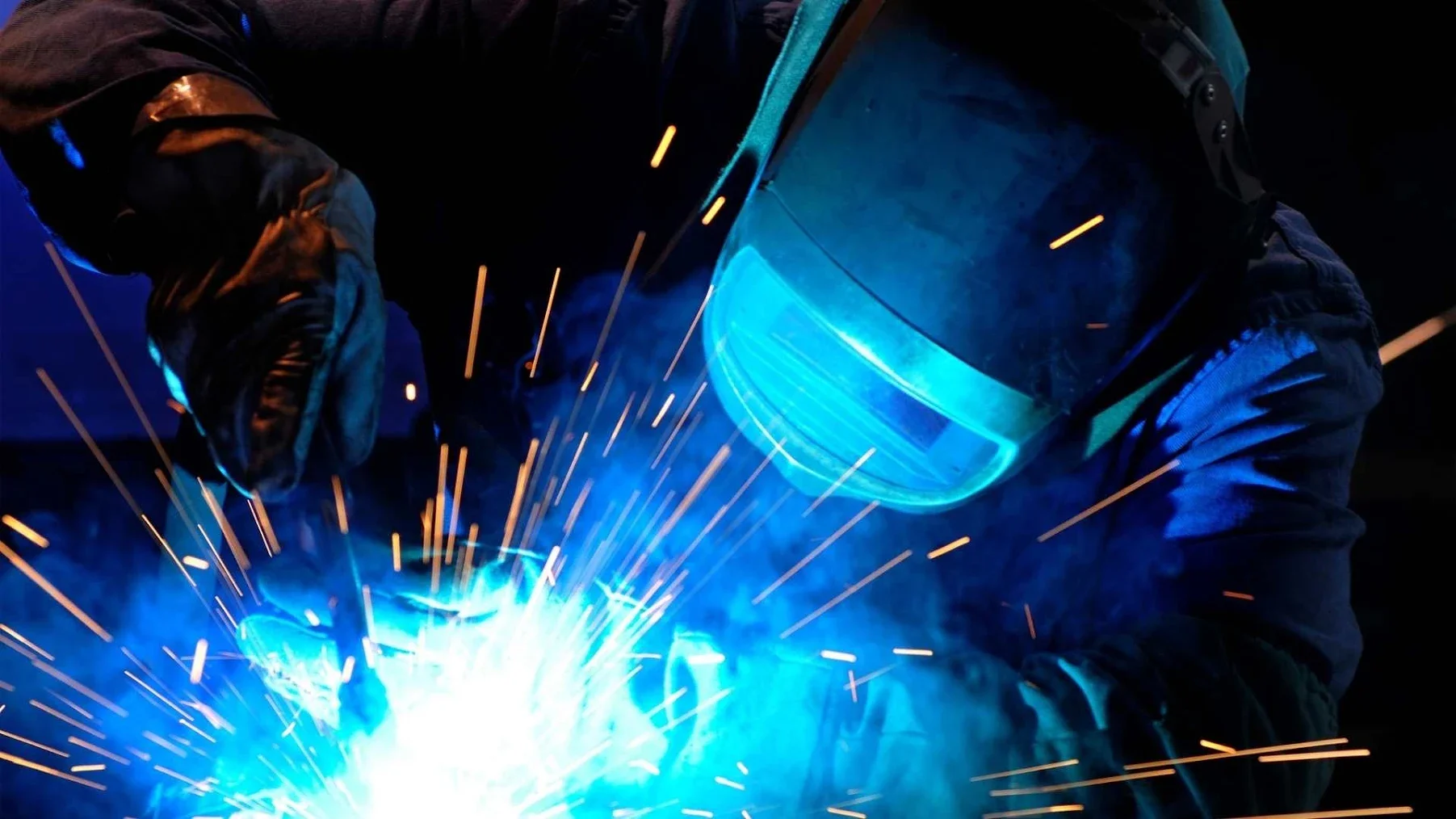
Welding quality directly affects commercial HVAC reliability because welded components help carry refrigerant, water, air, exhaust, structural loads, and vibration throughout a building’s mechanical systems.
When welds are clean, precise, and properly performed, HVAC equipment can run more efficiently and last longer. When welds are rushed or poorly executed, small defects can turn into leaks, failures, downtime, and costly repairs.
That is why commercial welding and commercial HVAC often go hand in hand. The metalwork behind the system matters just as much as the equipment itself.
What Does Welding Have to Do With Commercial HVAC?
Welding matters in commercial HVAC because many system components rely on metal connections that must stay sealed, aligned, and structurally sound. HVAC systems are not just compressors, fans, coils, and controls. They also include piping, frames, brackets, supports, exhaust systems, duct transitions, equipment curbs, and custom-fabricated parts.
A commercial HVAC system can only perform as well as the materials and connections around it. If a weld cracks, leaks, warps, or weakens under vibration, the system can lose efficiency or fail sooner than expected.
This is especially important in large facilities where HVAC systems run for long hours. The more a system works, the more stress it places on welded joints and fabricated components.
Welded Components Must Handle Real Operating Conditions
HVAC equipment is exposed to heat, pressure, vibration, moisture, and constant cycling. A weld that looks acceptable on the surface still needs to hold up under real use.
For example, welded piping needs to maintain a reliable seal. Equipment stands and brackets need to handle weight and vibration. Custom duct or exhaust transitions need to fit properly so airflow is not restricted.
How Can Poor Welding Hurt HVAC Reliability?
Low-quality welding can hurt HVAC reliability by creating weak points that lead to leaks, misalignment, vibration problems, corrosion, and premature component failure. These problems may not appear right away. They often build slowly until the system starts losing performance or shuts down unexpectedly.
A small leak in a welded pipe can reduce system pressure and make equipment work harder. A poorly welded frame can transfer vibration into connected components. A bad connection near an exhaust or ventilation system can affect airflow and safety.
In commercial facilities, these issues can turn into more than maintenance headaches. They can affect uptime, product quality, tenant comfort, indoor air quality, and operating costs.
Small Welding Defects Can Create Bigger HVAC Problems
A pinhole leak, incomplete weld, or poorly fitted joint may seem minor at first. Under pressure, temperature changes, and daily operation, that defect can grow.
The result may be refrigerant loss, water leaks, air loss, equipment movement, or structural fatigue. By the time the issue becomes obvious, the welding repair can be more involved than it needed to be.
How Does Welding Quality Improve HVAC Efficiency?
Welding quality improves HVAC efficiency by helping systems maintain proper pressure, airflow, drainage, and equipment alignment. When welded components are properly sealed and correctly fabricated, the HVAC system does not have to compensate for avoidable losses.
Efficiency depends on more than the main HVAC unit. Air, refrigerant, water, and exhaust all need clear pathways. Equipment needs to sit level and secure. Piping needs to be routed cleanly. Custom fabricated components need to match the actual conditions of the facility.
Poor welding can create restrictions, leaks, and fitment issues that make equipment work harder. Over time, that extra strain can increase energy usage and shorten equipment life.
Precision Helps Prevent Energy Waste
Precision welding helps prevent energy waste by keeping mechanical connections tight and properly aligned. A clean weld can reduce the chance of air leakage, fluid loss, and vibration-related wear.
In commercial HVAC, wasted energy often comes from small issues that add up. A minor leak, a loose connection, or an airflow restriction might not stop the system completely. It can still raise utility costs month after month.
Quality metalwork helps keep the system closer to its intended design. That gives your equipment a better chance to run efficiently during peak heating and cooling seasons.
Why Is Welding So Important in Critical Environments?
Welding is important in critical environments because HVAC failure can quickly affect equipment, operations, safety, and compliance. These facilities do not have much room for error.
A data center needs cooling that can keep server equipment within safe operating ranges. A manufacturing facility may need stable temperature and ventilation to protect production. A UPS or battery room needs conditions that help protect electrical equipment and reduce unnecessary strain.
In these settings, HVAC is not just a comfort system. It is part of the infrastructure that keeps the business running.
Critical Environments Need Stronger Documentation
Quality work matters, but documentation matters too. In a critical environment, you need to know what was repaired, what materials were used, what was inspected, and what should be monitored next.
ACS Services is extremely focused on documentation. After every service visit, a field service report (FSR) goes out at the latest next business day.That gives you proof of what work was completed and helps your team keep clear records for maintenance planning, audits, and future service needs.
This is especially valuable for facilities with strict operational requirements, including tier 1 data centers that need SaaS 70 audit preparation and strong service records.
How Does Welding Quality Extend HVAC System Life?
Welding quality extends HVAC system life by reducing stress on components and preventing avoidable failures. HVAC systems are expensive, and the surrounding fabricated parts can influence how long the equipment lasts.
When welded supports, frames, piping, and fittings are built correctly, the system is better protected from movement, vibration, leaks, and corrosion. When these parts are neglected or repaired poorly, equipment can wear out faster.
A quality weld repair can also help you avoid unnecessary replacement. In some cases, a damaged component can be repaired or reinforced instead of fully replaced. That can save money and reduce downtime.
Repairing the Right Part Can Protect the Whole System
Not every HVAC problem requires a major equipment replacement. Sometimes, the issue is a cracked support, damaged bracket, leaking pipe, broken frame, or worn metal component.
A skilled commercial welding provider can evaluate whether repair, reinforcement, or fabrication is the best path forward. That kind of practical problem-solving helps protect your investment without creating unnecessary disruption.
Build HVAC Reliability From the Ground Up
Commercial welding has a direct impact on commercial HVAC performance. Strong, precise welds help protect airflow, pressure, equipment alignment, efficiency, safety, and system life. Poor welds can create weak points that lead to energy waste, repeat repairs, and unplanned downtime.
For critical environments, the quality of the work behind the system is too important to overlook. Every connection, support, repair, and fabricated component plays a role in keeping your facility stable.
If your HVAC system needs welding repair, custom fabrication, or a service partner who understands the demands of commercial facilities, contact ACS Services for commercial HVAC and welding service. Our team can help protect the systems your business depends on every day.