Why Commercial HVAC Preventative Maintenance is So Important
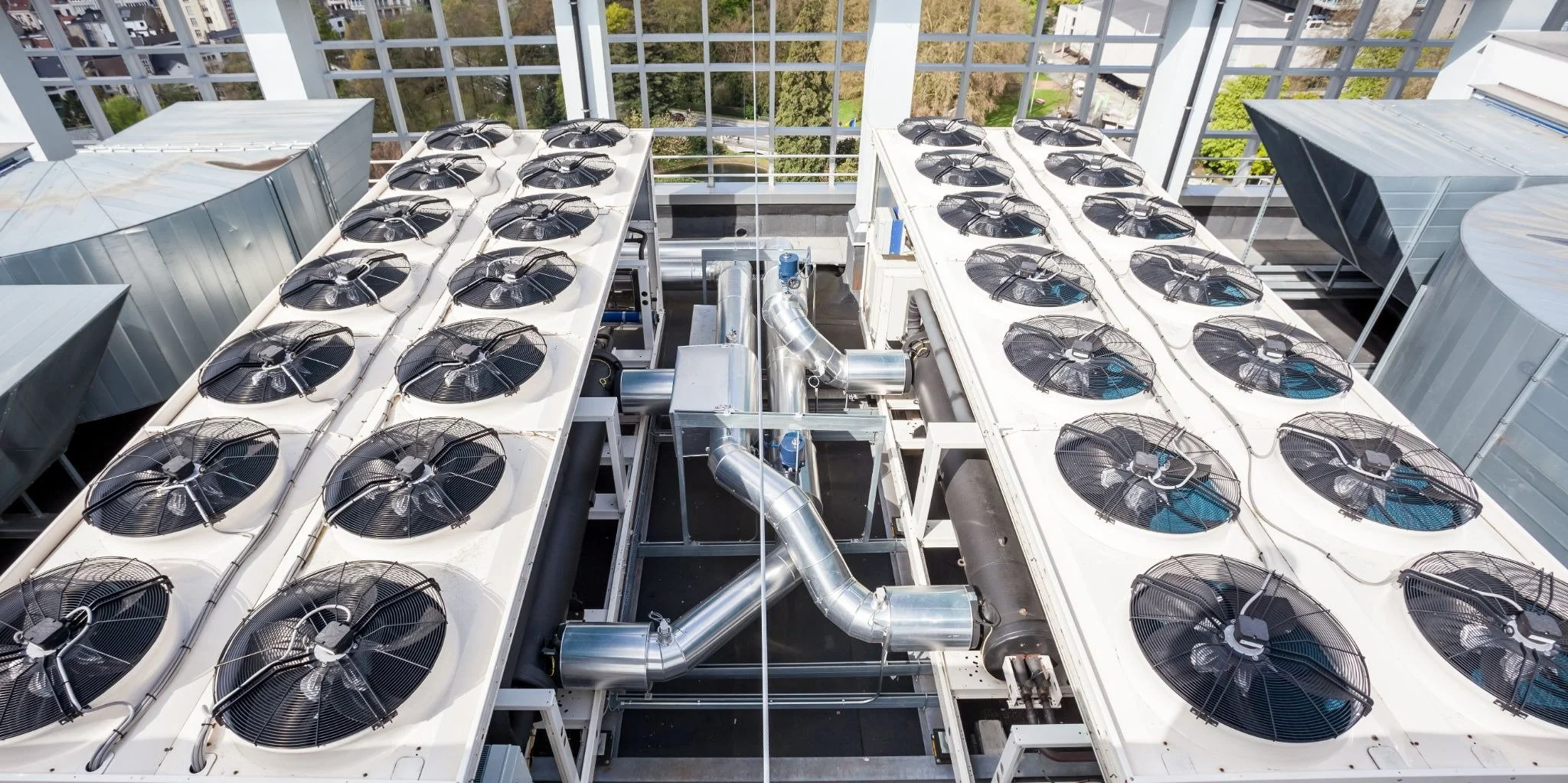
Your commercial HVAC system works around the clock to keep your business comfortable, your employees productive, and your equipment running within safe operating ranges.
When that system goes down without warning, the consequences can range from a minor inconvenience to a full operational shutdown. That's why scheduled care matters so much for the businesses that depend on these systems every day.
Routine attention to your heating and cooling equipment protects your investment, controls your energy costs, and keeps your facility safe and comfortable for everyone inside.
What Is Commercial HVAC Preventative Maintenance?
Commercial HVAC preventative maintenance includes scheduled inspections, cleanings, and tune-ups that keep your heating, ventilation, and air conditioning equipment running at peak performance. Instead of waiting for something to break, technicians proactively address small issues before they turn into expensive repairs.
A typical maintenance visit includes checking refrigerant levels, inspecting electrical connections, cleaning coils, testing thermostat accuracy, replacing filters, and lubricating moving parts. Technicians also look for early warning signs of wear that could lead to failures down the road.
How Often Should You Schedule Maintenance?
Most commercial systems benefit from maintenance visits at least twice a year, typically before peak heating and cooling seasons. Facilities with heavy usage, critical environments, or older equipment may need quarterly or even monthly attention to stay reliable.
Your commercial HVAC maintenance schedule should match how hard your system actually works. A small office space has different needs than a data center, a manufacturing plant, or a medical facility where temperature and humidity control are mission-critical.
How Does Preventative Maintenance Save You Money?
The cost of a maintenance visit is almost always lower than the cost of an emergency repair. When a major component like a compressor or motor fails unexpectedly, you're not just paying for the part. You're also paying for emergency labor rates, potential downtime, and any business losses that come with a system outage.
Well-maintained equipment also uses less energy. Dirty coils, clogged filters, and worn components force your system to work harder to deliver the same level of comfort. Over the course of a year, that extra strain shows up as noticeably higher utility bills.
Extending the Life of Your Equipment
Commercial HVAC systems are always a serious investment. Replacing a rooftop unit, chiller, or boiler can cost tens of thousands of dollars, and the disruption of installation adds even more to the total. Regular care helps you get the full lifespan out of your equipment before replacement becomes necessary.
A system that's professionally serviced on a consistent schedule can easily last 15 to 20 years. A neglected system might need replacement in half that time. The math works strongly in favor of preventative commercial HVAC maintenance.
What Happens When You Skip Maintenance?
Skipping routine service doesn't usually cause immediate problems. The issues build up gradually. A small refrigerant leak can get worse over time. A loose belt can eventually snap. A clogged drain line can back up and cause water damage. By the time you notice something is wrong, the repair has often grown much larger than it would have been if caught early.
For businesses in critical environments, the stakes are even higher. A data center losing cooling can face server damage within minutes. A manufacturing facility might lose an entire production run. A healthcare provider could face regulatory issues if temperature-sensitive medications or equipment are compromised.
The Hidden Cost of Poor Air Quality
When HVAC equipment isn't maintained, indoor air quality suffers. Dust, allergens, and contaminants build up in filters and ductwork and get circulated throughout your facility. This affects employee health, comfort, and productivity in ways that are hard to measure but very real.
Humidity control also tends to slip on neglected systems. Too much moisture promotes mold growth and damages building materials. Too little moisture causes static electricity issues and discomfort. A properly maintained system keeps these conditions stable.
What Should You Expect From a Maintenance Provider?
Not all maintenance providers offer the same level of service. The best ones combine technical expertise with strong documentation and clear communication. You should always know what work was performed, what was found, and what needs attention before the next visit.
Look for a provider that delivers detailed reports promptly after each visit. At ACS Services, reports go out the next business day, at the latest, every time. That means you never have to wait or wonder about the status of your equipment.
How Do You Choose the Right Maintenance Partner?
The right partner treats your facility with the same attention whether you're running a small office or a large critical environment. They show up on time, communicate clearly, and stand behind their work with detailed records and consistent results.
You also want a partner who is available when you need them. Equipment doesn't always fail during business hours, and a partner offering 24/7 commercial HVAC service gives you peace of mind that help is always a phone call away. When you call a smaller, owner-operated team, you often speak directly with the person responsible for your account.
Ready To Protect Your Commercial HVAC Investment?
Commercial HVAC preventative maintenance pays for itself many times over through lower energy bills, fewer emergency repairs, longer equipment life, and better comfort for everyone in your building. The businesses that take this seriously are the ones that avoid the worst surprises.
If you're ready to put a reliable maintenance plan in place for your facility, the team at ACS Services is here to help. Reach out online to schedule a consultation and learn how a tailored maintenance program can keep your system running strong for years to come.
Frequently Asked Questions About Commercial HVAC Preventative Maintenance
What is the difference between preventative maintenance and HVAC repair?
Preventative maintenance is scheduled service designed to keep your system running properly before a breakdown happens. HVAC repair is reactive, meaning a technician is called after something has already gone wrong.
During maintenance, a technician checks for worn parts, airflow issues, electrical concerns, refrigerant problems, dirty coils, and other early signs of trouble. Repair work usually focuses on diagnosing and correcting a specific failure.
How long does a commercial HVAC maintenance visit take?
The length of a maintenance visit depends on the size of your system, the number of units, and the condition of the equipment. A smaller office system may only take a short visit, but a larger facility with rooftop units, boilers, chillers, or critical cooling systems can take longer.
A good provider should never rush the process. The goal is to inspect the system carefully, complete the necessary service tasks, and document what was done.
Can preventative maintenance reduce emergency service calls?
Yes, routine maintenance can reduce the risk of emergency service calls by catching problems early. It will not prevent every possible issue, but it can lower the chances of sudden failures caused by dirty components, loose connections, worn belts, clogged filters, or neglected parts.
This is especially valuable for facilities that cannot afford extended downtime.
Do all commercial buildings need the same maintenance plan?
No, every building has different HVAC needs. A small office, school, warehouse, data center, and medical facility all place different demands on their systems.
Your maintenance plan should be based on equipment type, system age, hours of operation, indoor air quality needs, and how critical temperature control is to your operation. ACS Services can help build a plan that matches the way your facility actually runs.