Commercial Boiler Maintenance: Prevention & Tips
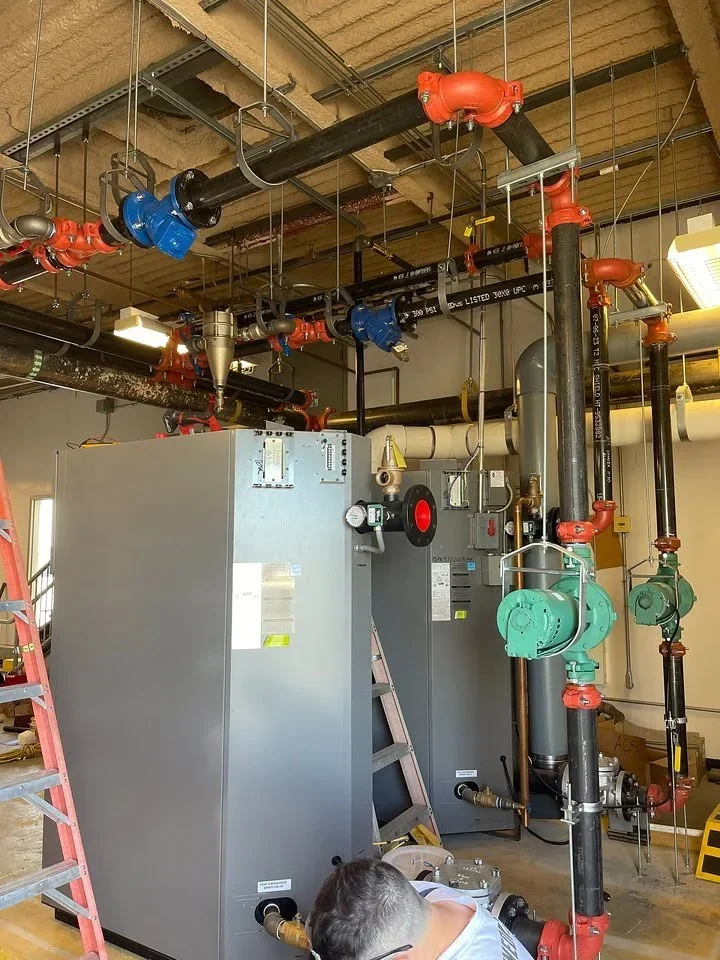
Your boiler system plays a big part in keeping your building comfortable and operational. When it’s running as expected, it’s easy to overlook. When something goes wrong, it becomes a priority. That’s where commercial boiler maintenance comes into play.
A consistent maintenance approach helps you stay ahead of problems and keep your system working properly.
If you’re looking to reduce downtime, improve efficiency, and extend the life of your equipment, understanding how maintenance works is a good place to start. This guide walks through prevention strategies and practical boiler maintenance tips you can apply to your system.
What Is Involved in Commercial Boiler Maintenance?
A well-rounded maintenance plan focuses on inspection, cleaning, and system adjustments. Each step plays a role in keeping your boiler stable and efficient.
Routine System Inspections
Regular inspections give you a clear view of how your boiler is performing. Technicians check pressure levels, temperature readings, and system controls to confirm everything is operating within expected ranges.
These inspections also help identify early signs of wear. Small issues can be addressed before they develop into larger repairs.
Cleaning Key Components
Over time, boilers can develop buildup that affects performance. Heat exchangers, burners, and piping are all areas where deposits can form.
Cleaning these components allows for proper heat transfer and smoother operation. It also reduces strain on the system.
Control System Adjustments
Your boiler relies on controls to regulate temperature, pressure, and cycling. Maintenance includes checking these settings and making adjustments as needed.
When controls are properly calibrated, your system runs more efficiently and responds better to changing demands within your building.
How Does Boiler Preventative Maintenance Reduce Risk?
Preventative maintenance for commercial boilers centers on addressing issues before they disrupt your operations. It’s a proactive way to manage your system rather than reacting to unexpected problems.
Early Detection of Issues
Routine maintenance helps catch issues like leaks, pressure imbalances, or component wear early. These problems often start small and can be corrected with minimal disruption when identified quickly.
This approach helps you avoid larger repairs and keeps your system running more consistently.
Improved System Efficiency
A clean and well-maintained boiler doesn’t have to work as hard to produce heat. This leads to more efficient operation and can help manage energy costs over time.
Efficiency gains also contribute to more stable performance, which supports comfort throughout your building.
Reduced Downtime
Unexpected breakdowns can interrupt operations and create scheduling challenges. Preventative maintenance helps reduce the likelihood of these disruptions.
By staying ahead of potential issues, you can plan service at times that work best for your facility.
What Are the Most Important Boiler Maintenance Tasks?
Every system is different, though there are a few core tasks that play a central role in commercial boiler maintenance.
Monitoring Pressure and Temperature
Consistent pressure and temperature levels are essential for safe and effective operation. Regular checks help confirm your system is staying within the proper range.
Fluctuations can point to underlying issues that need attention. Addressing them early helps maintain stability.
Inspecting Valves and Connections
Valves control the flow of water and steam throughout your system. Maintenance includes checking for leaks, corrosion, or wear that could affect performance.
Connections are also reviewed to confirm they are secure and functioning properly. This helps prevent inefficiencies and potential safety concerns.
Checking for Leaks
Leaks can develop in different parts of your system over time. Even small leaks can impact performance and lead to larger issues if not addressed.
Routine boiler checks help identify these areas so they can be repaired before they affect overall operation.
How Often Should You Schedule Maintenance?
The right maintenance schedule depends on your system and how it’s used. In many cases, a semi-annual schedule provides a strong foundation.
Seasonal Maintenance Planning
Scheduling maintenance before the heating season allows technicians to prepare your system for higher demand. This helps reduce the risk of issues when your boiler is needed most.
A second visit later in the year provides an opportunity to review performance and address any wear that developed during peak use.
High-Demand Environments
Facilities with heavy usage or critical operations might require more frequent maintenance. Regular service helps maintain consistent performance and reduces the chance of unexpected issues. Working with a service provider can help you determine the right schedule for your specific setup.
What Role Does Documentation Play in Maintenance?
Documentation is often overlooked, though it plays a key role in long-term system management.
Tracking System Performance
Maintenance records give you a history of how your boiler has been performing. This information can highlight trends and help you anticipate future needs. Having a clear record also supports better decision-making when planning repairs or upgrades.
Supporting Compliance and Planning
For many facilities, documentation is part of meeting operational or regulatory requirements. Detailed records provide a clear account of maintenance activities. They also help you plan budgets and prioritize future work based on actual system conditions.
How Can You Support Your Boiler Between Service Visits?
Maintenance doesn’t stop when a technician leaves. There are simple steps you can take to keep an eye on your system between visits.
Pay Attention to System Behavior
Changes in performance, such as uneven heating or unusual sounds, can signal a developing issue. Noticing these changes early allows you to schedule service before the problem grows.
Staying aware of how your system operates day to day gives you an added layer of insight.
Keep the Boiler Area Clear
A clean and accessible boiler room makes it easier for technicians to perform maintenance and inspections. It also helps reduce the risk of debris affecting system components.
Maintaining a clear space supports both safety and efficiency.
Schedule Service Consistently
Consistency is one of the most effective ways to support your system. Sticking to a maintenance schedule helps you stay ahead of wear and keep your boiler in good condition.
Working with a trusted service provider can make scheduling easier and more predictable.
Keep Your Boiler Performing the Way It Should
A thoughtful approach to commercial boiler maintenance helps you stay in control of your system. It gives you a clear understanding of how your equipment is performing and what steps are needed to keep it running reliably.
ACS Services provides maintenance support with a focus on detailed inspections, clear documentation, and consistent follow-through. You get a straightforward view of your system’s condition and practical recommendations based on real data.
If you’re looking to build a maintenance plan or want a better understanding of your current system, reach out to ACS Services. Their team works with you to keep your boiler operating efficiently and prepared for the demands of your building.