How Often Should An AC Unit Be Serviced? Here's What To Know
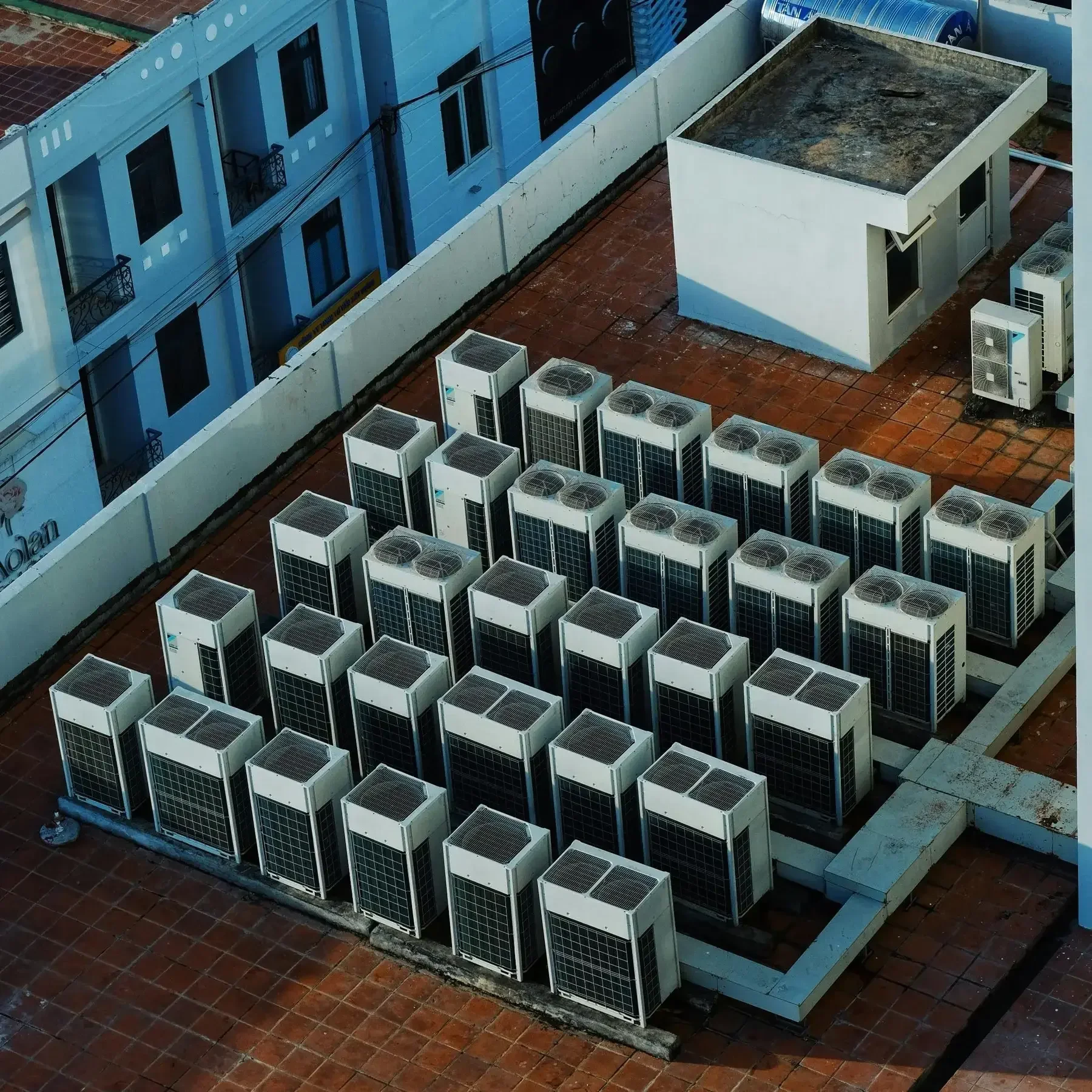
Keeping a commercial AC system running reliably is not just about responding when something breaks. The condition of your system on any given day is largely a reflection of how consistently it has been maintained over time. For facility managers and business owners trying to get the most out of their HVAC investment, understanding how often an AC unit should be serviced is a practical starting point.
How Often Should an AC Unit Be Serviced?
The standard recommendation for commercial AC systems is a minimum of two service visits per year. One visit is typically scheduled in the spring before cooling season begins, and one in the fall as the system transitions out of heavy use.
That twice-yearly cadence covers the basics: coil cleaning, filter checks, refrigerant level verification, electrical inspections, and a review of controls and safety devices.
Why Twice a Year Is the Baseline, Not the Ceiling
Two visits per year is a reasonable floor for most commercial systems, but it is not the right answer for every building. A two-visit schedule made sense when commercial HVAC equipment ran fewer hours and building environments were simpler.
Today, many commercial systems run year-round, handle higher internal loads, and are tied into building automation platforms that require their own calibration and upkeep.
What a Standard Service Visit Should Cover
A thorough service visit goes beyond a filter swap and a visual check. It should include a review of refrigerant charge and system pressures, an inspection of electrical connections and contactors, a check of drain pans and condensate lines, coil cleaning on both the evaporator and condenser sides, and a functional test of controls and safeties.
If any of those items are being skipped, the visit is not providing the protection it should.
How Often Should You Service Your AC in a Commercial Setting?
How often you should service your AC depends on several factors that are specific to your facility and the demands placed on your system. Building type, occupancy levels, equipment age, and operating hours all play a role in how quickly components wear and how frequently they need attention.
High-Demand Environments Need More Frequent Service
Data centers, restaurants, manufacturing facilities, and healthcare spaces put more stress on HVAC equipment than a standard office building does. In those environments, quarterly service visits are a more appropriate baseline.
The combination of higher heat loads, longer run times, and stricter environmental requirements means that problems develop faster and have more serious consequences when they go undetected.
Equipment Age and Service History
Older equipment benefits from more frequent attention, not less. As components age, they develop wear patterns that a trained technician can identify before they become failures. An AC unit that has been in service for ten or more years and has an inconsistent maintenance history is a candidate for at least quarterly inspections until its condition is well understood.
If you have been keeping up with signs your commercial AC needs repair, a closer service interval gives you more opportunities to catch developing issues early.
Lease Obligations and Warranty Requirements
Some commercial leases require documented HVAC maintenance as part of the tenant's responsibilities, and many equipment warranties have service frequency stipulations that must be met to keep coverage in force.
It is worth reviewing both before settling on a maintenance schedule, since a lapse in documentation can create liability or void a warranty claim at exactly the wrong time.
What Happens When Service Is Delayed?
Skipping or stretching AC unit service intervals does not save money in any meaningful sense. It shifts cost forward and adds compounding risk. A coil that goes a year without cleaning loses heat transfer efficiency and forces the compressor to work harder. A refrigerant leak that goes undetected for months causes more damage than one caught at a routine visit.
The Relationship Between Maintenance and Repair Frequency
There is a well-established relationship between how consistently a system is maintained and how often it requires unplanned repairs. Systems on regular service schedules tend to have longer intervals between failures, longer overall service lives, and lower total cost of ownership. That pattern holds across equipment categories and building types.
Downtime Has a Real Cost
For commercial operations, an AC failure is rarely just an inconvenience. Depending on the nature of your business, it can mean lost productivity, temperature-sensitive inventory at risk, regulatory issues, or the need to relocate staff or operations during repairs.
The cost of a service visit is a fraction of what a mid-summer compressor failure costs when you factor in emergency labor rates, equipment lead times, and operational disruption.
If you have been dealing with recurring issues, commercial air conditioning repair in Philadelphia and the surrounding region is an AC service area where that kind of downtime risk is real and worth planning around.
How Often Should You Have Your AC Serviced if You Have a Service Contract?
A service contract changes the calculus in a few ways. With a contract in place, AC service visits are scheduled automatically, documentation is handled systematically, and there is a clear record of everything that has been inspected, tested, and repaired. That record has value both for internal maintenance planning and for any warranty or insurance claims that come up.
What a Good Service Contract Looks Like
A well-structured service contract should define the specific tasks performed at each visit, the frequency of those visits, response time commitments for emergency calls, and the documentation that gets delivered after each service event. Same-day reporting after every visit is a reasonable expectation and an important one.
If you are trying to track system trends over time or justify capital expenditures to stakeholders, that documentation is part of what makes a service relationship useful beyond just keeping the equipment running.
Matching the Contract to the Facility
Not every building needs the same contract structure. A single-tenant office building with modern equipment has different needs than a multi-tenant facility with mixed-age systems or a critical environment with redundancy requirements. The right contract reflects the actual demands of your facility rather than a one-size-fits-all package.
Reviewing the scope of your current agreement annually is a reasonable practice, particularly after any changes to building use, occupancy, or equipment.
What Factors Increase How Often Your AC Should Be Serviced?
Beyond the general guidelines, there are specific conditions that point toward a more aggressive AC service schedule. Understanding those conditions helps you make a more informed decision about what your facility actually needs.
Operating Hours and Run Time
A system that runs 24 hours a day accumulates wear at a different rate than one that operates only during business hours. Run time is one of the most direct indicators of how quickly maintenance intervals should turn over. If your system has shifted from daytime-only operation to around-the-clock use, that is a good reason to revisit how often you are scheduling AC unit service.
Indoor Air Quality Requirements
Facilities with strict indoor air quality standards, whether driven by regulation, building certification, or occupant health considerations, have more to lose from deferred maintenance. Coil fouling, drain pan contamination, and filter bypass all affect air quality in ways that a visual check from the hallway will not catch.
More frequent AC unit service visits provide more opportunities to verify that the system is performing to the standard your building requires.
Recent Renovations or Changes in Use
Renovations that change the layout of a space, add heat-generating equipment, or alter the occupancy load of a building can affect how hard your HVAC system has to work. After any major change in building use, it is worth scheduling an AC unit service visit to verify that the system is still performing within its designed parameters.
You can review what a comprehensive commercial HVAC service program looks like and assess whether your current coverage matches your needs.
Talking to an HVAC Professional About Your Facility
Determining the right service frequency for your specific building is something a qualified technician can help you work through. A site visit, a review of your equipment inventory and service history, and an honest conversation about how your building operates are the inputs that lead to a maintenance plan that actually fits.
What to Bring to That Conversation
If you have existing service records, equipment documentation, or utility bills showing energy consumption trends, those are useful starting points. Patterns in repair frequency, recurring complaints about comfort or air quality, and any known deferred maintenance items all help a technician give you an accurate assessment rather than a generic recommendation.
Getting the Documentation Right
One of the things that separates a productive service relationship from a transactional one is documentation quality. Every visit should produce a written record of what was found, what was done, and what, if anything, needs follow-up attention. That record is how you track system health over time and make informed decisions about repair versus replacement as equipment ages.
Let's Talk About Your Maintenance Schedule
If you are not confident that your current service frequency matches the demands of your facility, that is worth addressing sooner rather than later. The right schedule depends on your equipment, your building, and how you operate, and it is not something to set once and forget.
Contact ACS Services to talk through your current maintenance program. We will take a look at what you have, ask the right questions, and help you put together a service plan that keeps your system running the way it should.