Common Warning Signs of Boiler Plant Failure
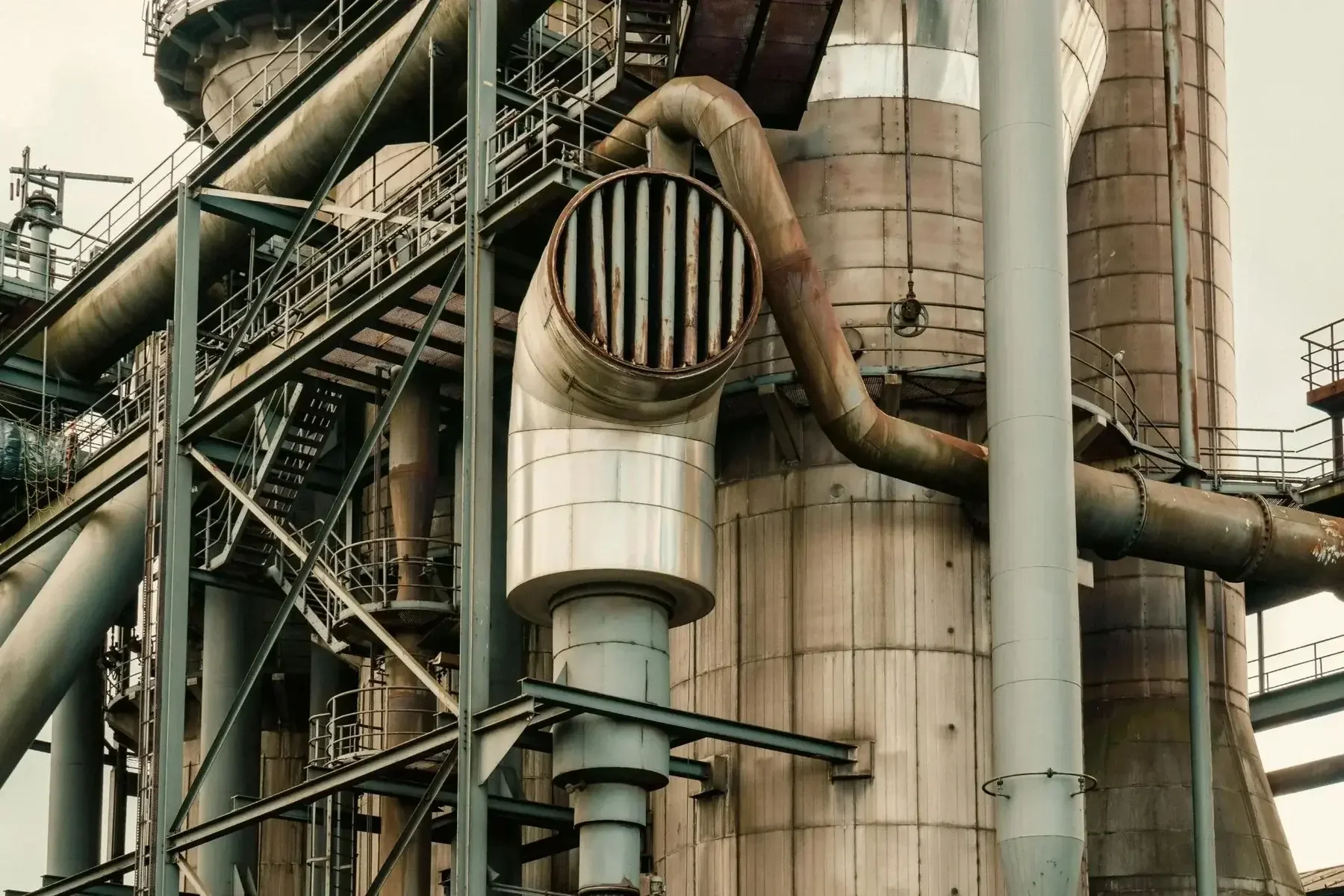
A boiler plant does not typically fail without warning. In most cases, the system sends signals well in advance, through changes in performance, unusual readings, or equipment behavior that falls outside of normal operating patterns.
The challenge is knowing what to look for and taking those signals seriously before they become unplanned downtime.
Why Do Boiler Plants Fail?
Boiler plant failure is rarely the result of a single catastrophic event. It is more often the end point of a gradual process: deferred maintenance, unresolved minor faults, aging components, and operating conditions that push the system beyond its design parameters.
Understanding the failure mode helps frame what warning signs actually mean when they appear.
The Role of Maintenance History
A boiler plant with a consistent maintenance history and thorough documentation is far easier to evaluate than one with gaps in its service record. When a technician can review trend data, past inspection reports, and repair history, developing problems become visible earlier.
A system without that record requires more investigative work to establish a baseline, which means less lead time between identifying a problem and addressing it.
Operating Conditions and System Age
Older boiler plants and those operating under heavy or continuous loads accumulate wear faster than newer or lightly loaded systems. That does not mean age alone is a reliable predictor of failure, but it does mean that the warning signs discussed below carry more weight in an aging system than they might in one that is relatively new and well-maintained.
What Are the Most Common Boiler Plant Warning Signs?
Boiler plant warning signs tend to show up across a few broad categories: pressure and temperature anomalies, water quality and treatment issues, physical changes to the equipment, and control system behavior.
Each category points to a different part of the system, and each deserves a specific kind of attention.
Unusual Pressure or Temperature Readings
Pressure and temperature readings that fall outside of normal operating ranges are among the earliest and most reliable indicators that something is developing in a boiler plant.
Pressure that fluctuates more than usual, trends upward over time, or drops unexpectedly under load can point to issues with the expansion tank, pressure relief valve, feedwater system, or internal scaling on heat transfer surfaces.
Temperature anomalies are equally telling. A boiler that takes longer to reach setpoint, cycles more frequently than expected, or shows uneven temperature distribution across its heating surfaces is telling you something about combustion efficiency, heat transfer, or flow conditions that warrants a closer look.
Water Quality and Treatment Problems
Water quality is one of the most consequential variables in boiler plant health, and it is one of the easier things to neglect when a system appears to be running normally. Scale buildup on heat transfer surfaces reduces efficiency and creates hot spots that accelerate metal fatigue. Corrosion in the system introduces particulates that damage pumps, valves, and controls over time.
Visible signs of water quality problems include discolored blowdown water, deposits in sight glasses, and corrosion around fittings and connections.
Less visible indicators show up in water analysis results. This is why regular testing is a core part ofcommercial boiler plant maintenance, rather than an optional add-on.
Physical Changes to Equipment
Changes in the physical condition of boiler plant equipment are warning signs that are easy to document and hard to ignore once you know what to look for. Rust or corrosion on the exterior of the boiler, deteriorating insulation on pipes and fittings, weeping around flanges or valve stems, and visible wear on burner components all point to areas of the system that need attention.
Vibration and noise changes are also worth tracking. A circulating pump that has developed a new hum, a burner that has started to rumble during ignition, or a relief valve that begins to weep periodically are all telling you that something has shifted in the system's operating condition.
These are the kinds of observations that a technician familiar with the system will catch during a routine visit - a practical argument for working with a service provider who knows your specific equipment.
Control System and Safety Device Behavior
Modern boiler plants rely on a network of controls, sensors, and safety devices to operate within acceptable parameters. When those systems start to behave inconsistently, whether through nuisance trips, sensor drift, delayed responses, or safety device activations that cannot be immediately explained, the behavior itself is the warning sign.
A safety device that trips and resets without a clear cause should not be treated as a minor inconvenience. It should be treated as a signal that something drove the system to a condition where the safety device needed to act.
Finding out what that condition was is the right response, not simply resetting and moving on.
How Does Proactive Maintenance Reduce Boiler Plant Failure Risk?
Catching boiler plant warning signs early is only possible if someone is looking for them on a consistent basis. Proactive maintenance creates the structured opportunities to do that, and it produces the documentation needed to distinguish between a one-time anomaly and a developing trend.
What Proactive Service Actually Involves
A thorough boiler plant service visit covers combustion analysis, heat transfer surface inspection, water treatment review, safety device testing, controls calibration, and a physical inspection of all major components.
The findings from each visit feed into a service record that makes the next visit more informative. That compounding value is what separates a maintenance program from a series of disconnected service calls.
The Cost of Waiting
A boiler plant failing in a commercial facility carries real operational consequences. Depending on what the system serves, a failure can mean loss of heat, loss of process steam, or loss of domestic hot water across a large building or campus.
Emergency repair costs, equipment lead times, and the operational disruption that comes with an unplanned outage are all substantially higher than the cost of the maintenance that could have prevented them.
The ACS Services teamworks with facility operators to build maintenance programs around the actual condition and demands of their equipment, not a generic schedule.
Talk to ACS Services About Your Boiler Plant
If your boiler plant has been showing any of the signs described here, or if you are not confident that your current maintenance program is providing adequate coverage, it is worth having a direct conversation with someone who can evaluate what you actually have.
Contact ACS Services to schedule an assessment. We will review your system, document what we find, and give you a clear picture of where things stand and what, if anything, needs attention.